Story
Loading the latest story
Please wait while the article is prepared.
Loading article content…
Loading article content…
Story
Please wait while the article is prepared.
Loading article content…
Loading article content…

Health
Rapid population growth and a worsening national brain-drain have placed immense pressure on Lagos State's healthcare system despite sustained infrastructure investments by the state government.
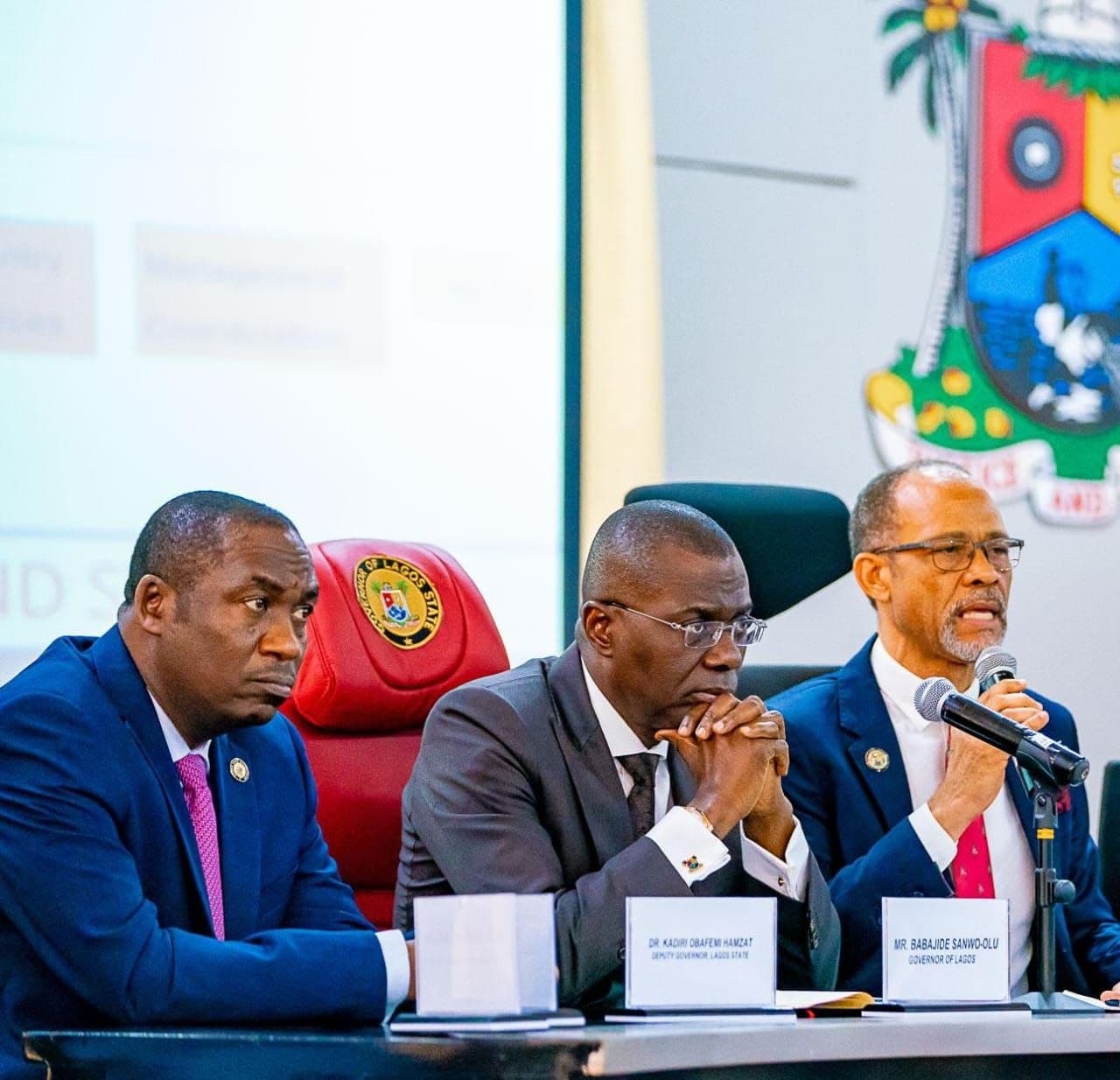
Unlike other states in the country, every sector in Lagos State is stretched beyond limit by a massive and expanding population. Daily, thousands of people from different parts of Nigeria, Africa, and across the world arrive in Lagos in search of greener pastures. This migration persists even as the administration of Governor Babajide Sanwo-Olu continues to expand the state's economy, generating opportunities that have catapulted Lagos into the second-largest economy in Africa, trailing only Cairo, Egypt.
However, this sustained expansion has had direct consequences for the state's social and physical infrastructure. Without any special federal allocation dedicated to ongoing maintenance and upgrades, the state faces a precarious operational environment. Despite these constraints, the state government has continued to deploy available resources to prevent critical infrastructure from failing under sustained demand.
Public health has emerged as one of the sectors experiencing the most intense strain. In recent times, isolated challenges in select public facilities have drawn sharp complaints from residents. Similar to education, transportation, and housing, the healthcare delivery system remains burdened by the intersection of rapid demographic growth and an accelerating workforce deficit.
The pressures facing Lagos healthcare facilities are compounded by a severe nationwide shortage of medical personnel. While the World Health Organisation (WHO) does not mandate a uniform doctor-to-patient ratio due to structural variations across national health systems, the Nigerian Association of Resident Doctors (NARD) reports that the country operates at an estimated ratio of one doctor to over 9,000 patients. In Lagos, the disparity is further accentuated by the sheer volume of patients seeking care.
Compounding this domestic shortfall is the large-scale emigration of medical personnel. Approximately 15,692 Nigerian-trained medical doctors currently practice in the United Kingdom, representing the third-highest foreign contingent behind Pakistan and India. An estimated 20,000 Nigerian doctors work in the United States, alongside thousands more in Canada, France, and other European countries. These numbers reflect an escalating brain drain that continues to deplete the capacity of the country's medical sector.
To prevent the state healthcare architecture from collapsing under these combined pressures, the Sanwo-Olu administration has maintained targeted investments in hospital construction, equipment modernization, and infrastructure renewal. Central to this expansion is the newly constructed Massey Street Children’s Hospital, situated on 4,000 square metres of land and recognized as the largest pediatric facility in West Africa.
In addition, the newly established Ojo General Hospital has been positioned to expand primary and secondary medical coverage for residents within the Ojo and Badagry corridors. In Epe, the state has initiated the development of a major psychiatric healthcare facility to address mental health needs and expand specialized regional care.
Tertiary medical services have also seen expansion at the Lagos State University Teaching Hospital (LASUTH) in Ikeja. Concurrently, the state has completed renovations across General Hospitals in Somolu, Odan-Lagos, and Isolo, alongside health centres in Ebute-Meta and Ketu-Ejinrin. Operational capacity has further been augmented by the establishment of 10 Triage and Oxygen Centres, dedicated COVID-19 oxygen treatment units, and the enrollment of approximately one million residents under the Lagos State Health Insurance Scheme.
Beyond physical infrastructure, the state has directed resources toward professional development and workforce training under the leadership of the Commissioner for Health, Professor Akinola Abayomi. These initiatives reflect a broader effort to sustain human capital development alongside facility upgrades across the state's public healthcare network.
While systemic challenges persist within such an expansive urban health network, administrative officials maintain that sustained progress requires measurable collaboration rather than unconstructive criticism. Stakeholders are encouraged to provide evidence-based assessments that highlight specific areas requiring administrative intervention, ensuring that public feedback remains actionable.
People’s participation is the essence of good governance.
— Narendra Modi, Prime Minister, Government of India
Effective public administration ultimately depends on structured engagement between the governing authorities and the public. With active channels for objective scrutiny and rapid response, Lagos State's healthcare challenges require ongoing partnership between health authorities, professionals, and the communities they serve.