Story
Loading the latest story
Please wait while the article is prepared.
Loading article content…
Loading article content…
Story
Please wait while the article is prepared.
Loading article content…
Loading article content…

Health
At its 15th anniversary event, the Toyin Oni Foundation and key health stakeholders called for urgent healthcare financing reforms, stressing that early cancer detection must be paired with affordable treatment to prevent catastrophic financial hardship for Nigerian families.
For many families, a cancer diagnosis is the beginning of a battle they never prepared for. Beyond the fear, uncertainty and emotional trauma that accompany the discovery of the disease lies another frightening reality: the cost of staying alive.
For some, the journey begins with a lump, persistent discomfort or an unexpected medical finding. For others, it starts when a routine examination reveals a condition they never imagined could affect them. But whatever the circumstances, the questions that follow can be overwhelming: Where can treatment be obtained? How much will it cost? Can the family afford it? And what happens if the money runs out?
These are some of the concerns that have continued to shape conversations around cancer prevention and treatment in Nigeria, where the high cost of medical care and limited access to screening can stand between patients and the treatment they need.
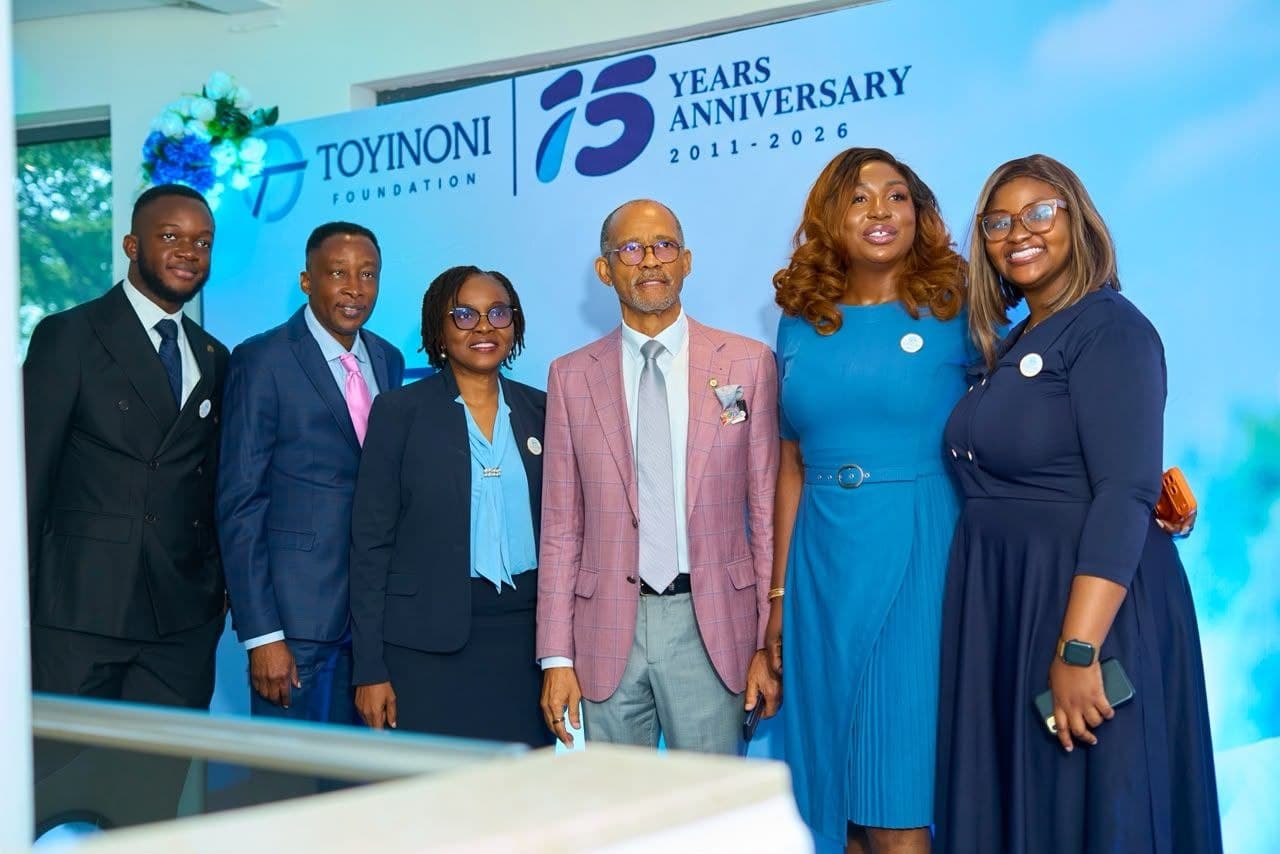
It was against this backdrop that the Toyin Oni Foundation marked 15 years of cancer awareness campaigns, renewing its call for early detection, affordable treatment and wider health insurance coverage.
At the anniversary event, held on Thursday, October 15, 2026, at The Wheatbaker Hotel, Ikoyi, Lagos, stakeholders emphasised that cancer advocacy must go beyond awareness campaigns to address the practical challenges confronting patients, their families and survivors.
The event, themed “Beyond Awareness: Understanding Cancer From Prevention to Survivorship,” brought renewed attention to the need to connect public education with accessible screening, timely diagnosis, treatment and long-term support.
For the foundation, the message was clear: educating people about cancer is important, but ensuring that they can afford the next step after discovering the disease is equally critical.
For 15 years, the Toyin Oni Foundation has taken cancer awareness campaigns to communities across Lagos, including Akoka, Yaba, Shomolu, Ebute-Metta, Surulere and Ogudu. It has also extended its activities to rural communities, where access to reliable cancer information and healthcare services remains limited.
Speaking at the anniversary, the foundation's chairperson, Bukola Smith, stressed that early detection remained critical to improving survival rates for breast, cervical and prostate cancers.
She called for greater access to reliable information, screening services and appropriate treatment, noting that low public awareness, financial constraints and limited access to healthcare continued to undermine efforts to improve cancer outcomes.
The challenge, however, extends beyond encouraging people to undergo screening. For early detection to make a meaningful difference, patients must be able to obtain medical advice, confirm a diagnosis and access appropriate treatment without avoidable delays.
A person who discovers a possible warning sign but cannot afford a medical examination may postpone seeking help. Another who receives a diagnosis may struggle to pay for further tests, medication or other treatment expenses.
In such circumstances, the financial burden can compound the emotional distress associated with the disease.
Smith called for a coordinated national approach that would move cancer advocacy beyond awareness to prevention, early diagnosis, treatment and survivorship support.
She also highlighted the importance of age in cancer risk, urging sustained public education and screening, particularly as people grow older.
Her message underscored the need to make cancer awareness an everyday public health priority rather than an activity limited to commemorative events.
Cancer affects more than the person diagnosed. Families may have to reorganise their finances, adjust work schedules and make difficult decisions about how to meet medical expenses while maintaining their everyday responsibilities.
The cost of care can become particularly challenging when treatment requires repeated hospital visits, specialised services and continued medical attention.
For households without adequate savings or health insurance, these expenses can place enormous pressure on already stretched resources.
The concern is not merely whether patients can begin treatment, but whether they can sustain it for as long as medically necessary.
That is why stakeholders at the foundation's anniversary placed health insurance and financial protection at the centre of discussions on improving cancer care.
Lagos State Commissioner for Health, Professor Akinola Abayomi, highlighted the importance of health financing reforms aimed at expanding access to healthcare and protecting residents from financial hardship.
The state's approach seeks to strengthen citizens' ability to pay for medical services through structured health insurance schemes rather than relying predominantly on out-of-pocket payments.
Under such an arrangement, pooled resources can help finance healthcare services and reduce the immediate financial burden on individuals when they require medical attention.
For patients facing prolonged or specialised treatment, including cancer care, the potential benefit is significant: access to healthcare should not depend solely on how much money a family can raise at the point of need.
However, the effectiveness of insurance reforms will depend on wider enrolment, appropriate coverage, effective implementation and protection for vulnerable populations who may be unable to afford contributions without assistance.
At the federal level, a Ministry of Health official outlined measures aimed at strengthening implementation of the National Health Insurance Act through wider enrolment and compliance mechanisms.
Under the framework described at the event, government agencies and regulatory bodies would be required to incorporate evidence of health insurance into relevant public-service and regulatory processes, while uninsured people presenting for care would be encouraged to enrol in suitable insurance packages.
The official said the proposed approach was intended to reduce reliance on direct payments for healthcare and expand access to insurance products suited to different income groups.
Government support for vulnerable populations would remain important, with insurance pools expected to provide a more structured means of financing their healthcare needs.
A public announcement on the proposed implementation measures was expected within one to two weeks of the event, according to the official.
The proposals reflect a broader recognition that healthcare financing must be structured to prevent illness from pushing families into financial hardship.
While affordable treatment remains essential, stakeholders also stressed the importance of preventing avoidable delays in diagnosis.
Early detection can improve the prospects of successful treatment for many cancers, making public education and access to appropriate screening important components of cancer control.
Yet awareness alone may not be enough. People need to know when to seek medical advice, where screening services are available and how to obtain appropriate care when a warning sign emerges.
Equally important is ensuring that screening is linked to timely diagnosis and treatment. Identifying a possible cancer without providing a realistic pathway to further medical attention leaves patients with uncertainty and potentially delays the care they need.
Delivering the keynote address, Dr Modupe Odunsi, founder of the Mercelle-Ruth Cancer Centre, reinforced the need to connect cancer awareness with practical interventions that improve access to screening, diagnosis and treatment.
The discussions highlighted the importance of ensuring that patients who are screened and diagnosed can proceed to appropriate treatment rather than being left without support because of financial difficulties.
For the Toyin Oni Foundation, this is an important next step in a journey that began with community awareness and has continued through sustained public education.
The foundation also expanded its advocacy to food safety, calling for stricter regulation of food and drugs to address potential health risks associated with contaminated food, harmful substances and improper handling of agricultural produce.
Smith urged the National Agency for Food and Drug Administration and Control (NAFDAC) and other relevant agencies to strengthen enforcement and impose appropriate sanctions on individuals and businesses that compromise public safety.
The call highlights the importance of a wider preventive approach that includes public education, effective regulation and access to reliable health information.
Although cancer has multiple causes and risk factors, prevention efforts must be guided by sound scientific evidence rather than assumptions about individual foods or products. Stronger food safety oversight remains important for protecting public health, while cancer prevention requires evidence-based guidance tailored to specific cancer types and established risk factors.
For families, accessible and trustworthy information can help them make informed decisions about their health and understand when professional medical advice is necessary.
As the Toyin Oni Foundation enters another phase of its advocacy, its convener, Akinola Oni, called for wider participation in the organisation's work, stressing that cancer awareness and support should not be left to a handful of organisations.
He urged individuals and institutions to support community education, screening initiatives and patient assistance, particularly for people facing financial barriers to treatment.
The appeal places responsibility on more than government and healthcare providers. Businesses, civil society organisations, community leaders and individuals can also contribute to expanding access to reliable information and supporting initiatives that help patients obtain care.
The foundation's 15-year journey demonstrates the value of sustained community engagement. Its work across Lagos communities and rural areas has kept cancer awareness on the public agenda, while the anniversary provided an opportunity to highlight the need for stronger partnerships.
But the ultimate measure of success will be whether more people can access reliable information, seek medical attention promptly, obtain appropriate treatment and receive support throughout their recovery or survivorship journey.
For families confronted by cancer, awareness can offer knowledge, but knowledge must lead to action. Early detection can provide an opportunity, but that opportunity must be matched by access to care. And treatment can offer hope, but financial barriers should not be allowed to determine who can pursue it.
As Nigeria confronts the challenges of cancer prevention, expensive treatment and unequal access to healthcare, the message from the Toyin Oni Foundation's anniversary is a reminder that saving lives requires more than telling people about cancer.
It requires building a healthcare system in which early diagnosis is encouraged, treatment is accessible and families do not have to face financial ruin while trying to protect the lives of those they love.