Story
Loading the latest story
Please wait while the article is prepared.
Loading article content…
Loading article content…
Story
Please wait while the article is prepared.
Loading article content…
Loading article content…

Health
Health authorities are expected to trace and monitor identified contacts as the government works to limit the potential spread of the infection.
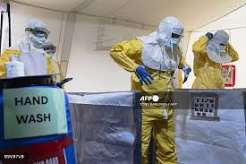
The Federal Government has confirmed a case of Ebola disease in the Federal Capital Territory (FCT), Abuja, with 44 close contacts identified for tracing as part of efforts to prevent further transmission.
The Coordinating Minister of Health and Social Welfare, Ali Pate, disclosed this in a statement issued on Tuesday, following laboratory confirmation of the case.
The identification of the 44 contacts is expected to support public health authorities in tracing individuals who may have been exposed to the confirmed case and monitoring their health status to limit the potential spread of the disease.
The development has raised fresh concerns over public health surveillance and the need for prompt contact tracing and other preventive measures to contain the infection.
However, details surrounding the confirmed case, including the identity of the patient, the circumstances of the exposure, the patient's current condition and the locations where possible exposure occurred, were not provided in the statement available at the time of filing this report.
The Federal Government is expected to provide further information on the response measures being implemented by relevant health authorities.
Ebola is a severe viral disease that can cause serious illness and death. It is transmitted through direct contact with the blood or other bodily fluids of an infected person who is symptomatic, or with contaminated materials.
Early identification of suspected cases, isolation of infected individuals, contact tracing and strict infection prevention and control measures are critical to containing outbreaks.
Health authorities typically monitor identified contacts for symptoms during the incubation period, which can range from two to 21 days after exposure.
Members of the public are advised to follow official guidance from health authorities, practise good hygiene and promptly seek medical attention if they develop symptoms after a known or suspected exposure.
Further updates on the case and the government's containment efforts are awaited.