Story
Loading the latest story
Please wait while the article is prepared.
Loading article content…
Loading article content…
Story
Please wait while the article is prepared.
Loading article content…
Loading article content…

Health
The Association of Providers of Elderly Care Services, Lagos has announced the launch of the Age-Friendly Lagos Fair in 2027, calling for stronger regulatory standards, caregiver training, and institutional safeguards for older citizens.
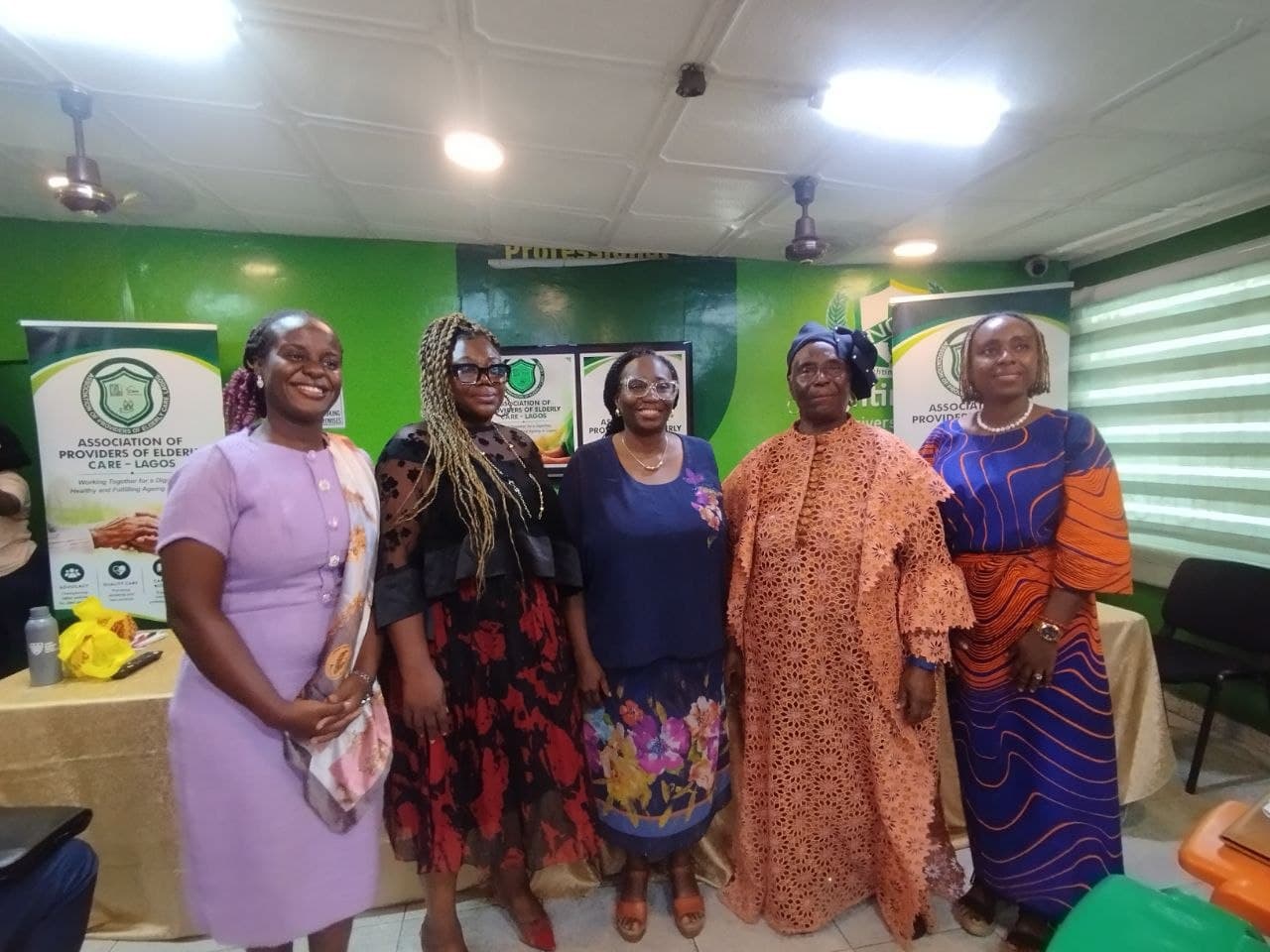
The Association of Providers of Elderly Care Services, Lagos (APEC-Lagos), has announced plans to launch the Age-Friendly Lagos Fair in 2027 as part of broader efforts to raise elderly care standards, encourage healthy ageing, and deepen partnerships among government authorities, private-sector actors, and local communities. The association also urged increased investment in professional caregiving, specialised training, safeguarding mechanisms, and community-based support frameworks to protect older persons from abuse, neglect, and social isolation.
President of APEC-Lagos, Dr. Jumoke Odunsi, disclosed the development during a press conference held on Thursday, October 22, 2026, in Lagos, to mark the 2026 International and National Day of Older Persons. She explained that rising life expectancy in Nigeria demands coordinated action across sectors to ensure that older adults enjoy access to professional care and live in dignity.
The major announcement today is the proposed launch of the Age-Friendly Lagos Fair in 2027. This initiative is designed to advance the standard of care for older persons in Lagos, promote healthy ageing and strengthen collaboration among stakeholders in Nigeria's growing ageing-care sector.
— Dr. Jumoke Odunsi, President, APEC-Lagos
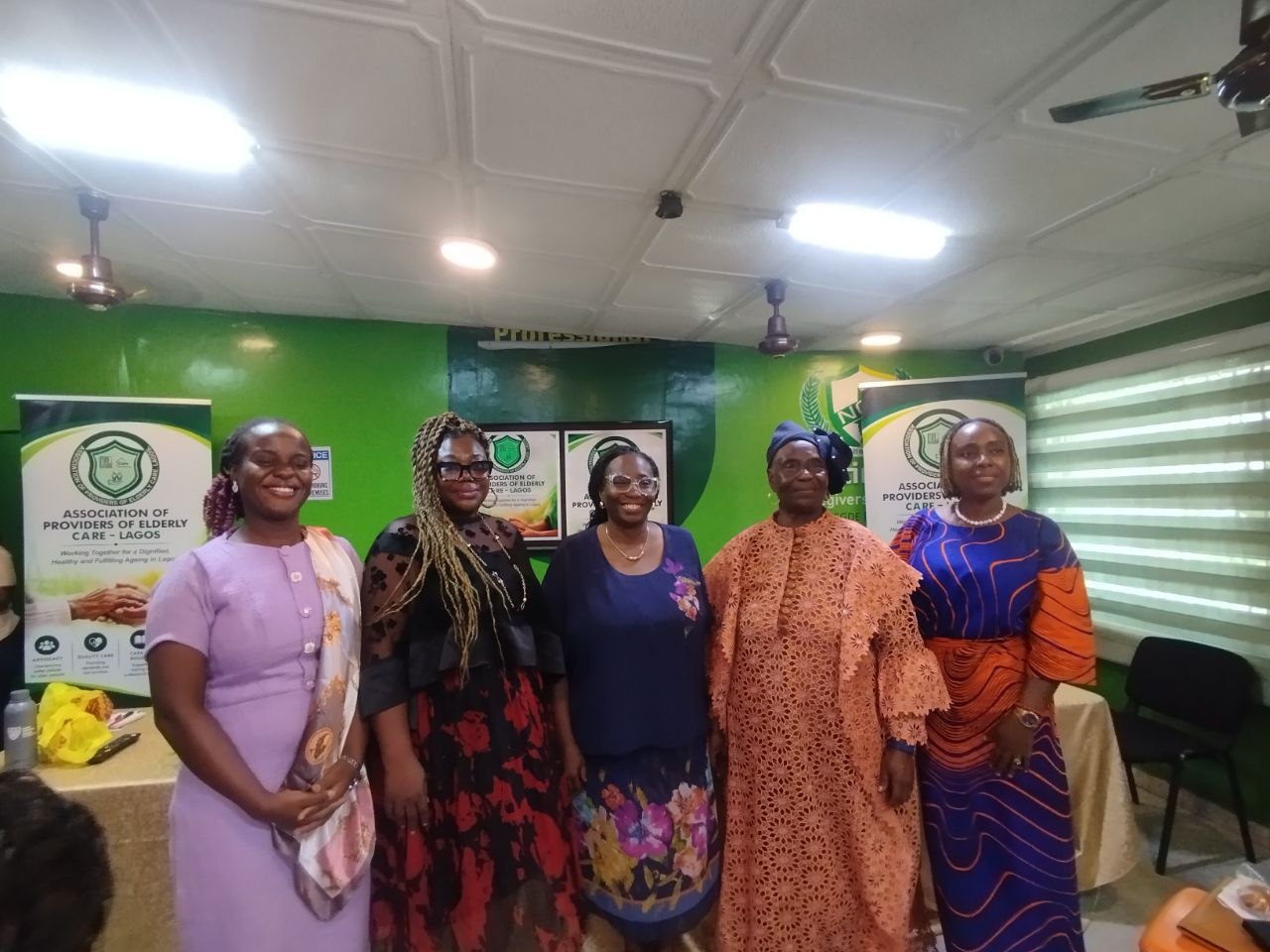
Dr. Odunsi noted that shifting family structures, increased migration, escalating healthcare expenses, and the rising cost of living have heightened the vulnerabilities of older Nigerians, leaving many exposed to financial instability, isolation, and deficient care services. She stressed that eldercare must transition from being perceived as a private domestic obligation into a recognised public policy priority.
Ageing must no longer be treated strictly as a private family concern. It must be recognised as a national social, economic, healthcare and human rights issue.
— Dr. Jumoke Odunsi, President, APEC-Lagos
In her administrative report, the Secretary of APEC-Lagos, Busola Shogbamimu, outlined the body's institutional milestones since its inception. She stated that the association shared its core objectives with stakeholders on June 27, 2025, held its inaugural post-registration meeting on July 13, 2025, and concluded executive elections on July 25, 2025. Its foundational collaborative outreach was a 10-day programme commemorating the International Day of Older Persons.
Shogbamimu reported that the association has developed a digital web application engineered to coordinate elderly care management, streamline regulatory compliance, support safeguarding frameworks, and host training materials and legal guidelines as they are ratified. Although initial plans targeted a flagship event in 2026, logistical and time constraints shifted the rollout of the Age-Friendly Lagos Fair to 2027.
The association is not for a select few; it belongs to all of us. As long as we have a stake in the elderly care sector in Lagos State, we must all be involved.
— Busola Shogbamimu, Secretary, APEC-Lagos
To advance planning for the fair, APEC-Lagos has submitted a draft partnership proposal to the Ministry of Tourism, while maintaining active liaison with the leadership of the Ministry and the Department of Elderly Care Services. The association's current focus centres on expanding membership, assembling safeguarding resources, and establishing firm operational structures.
Addressing the financial operations of the body, Treasurer of APEC-Lagos and founder of Full Circle Geriatric, Gbeminiyi Ladu-Adewale, delivered the association's first financial report. She explained that initial activities had been financed through direct financial contributions by members of the Executive Committee, with formal accounting architecture now being installed.
This is our first financial presentation as an association, and we are pleased to be here.
— Gbeminiyi Ladu-Adewale, Treasurer, APEC-Lagos
Ladu-Adewale noted that while verified cash and bank balances were not ready for formal release as of October 22, 2026, the association is establishing a receipt register, expenditure ledger, asset register, and contribution schedules. She added that all donations, non-cash support, and reimbursable expenses will be audited with appropriate documentation, with the proposed 2027 budget and membership dues structure slated for determination following the annual general meeting.
Turning to operational standards across the industry, Dr. Odunsi cautioned that elderly care providers must comply fully with statutory registration and reporting obligations, warning that non-compliant centres risk exclusion from emerging formal sector opportunities. She instructed operators to file monthly reports with the Ministry and secure the distinct licences required for their specific services, underscoring that care homes and nursing homes operate under separate regulatory categories requiring health authority oversight.
The question is not whether Nigeria's population is ageing, but whether our institutions, communities and care systems are prepared to respond.
— Dr. Jumoke Odunsi, President, APEC-Lagos
Providers were urged to establish formal compliance portfolios containing legal documentation, verified management structures, written care policies, risk assessments, and incident-reporting protocols. Dr. Odunsi stressed that operators must carry out rigorous client assessments, formulate individualized care plans, protect client dignity during personal care routines, and restrict clinical tasks strictly to qualified, licensed medical personnel.
The association's leadership also called for stringent background checks across the elderly care workforce, including identity verification, reference checks, and credential validation before placement. Dr. Odunsi noted that caregiver skill sets must match specific client needs, particularly for emergency response and night-time supervision.
Residential care operators were instructed to guarantee premises safety, accessible evacuation passages, and robust staffing levels, while domiciliary care agencies were tasked with assessing domestic environments for hazards and recording caregiver shifts accurately. Training institutions were equally challenged to ensure certified practical competence rather than issuing unverified credentials.
Ultimately, professionalism in elderly care requires more than goodwill. It requires proper training, documentation, accountability, safeguarding and a commitment to providing safe, dignified and quality care.
— Dr. Jumoke Odunsi, President, APEC-Lagos