Story
Loading the latest story
Please wait while the article is prepared.
Loading article content…
Loading article content…
Story
Please wait while the article is prepared.
Loading article content…
Loading article content…

Human Interest
Veteran actor Richard Mofe-Damijo has called for increased female representation in governance while being inaugurated as an ambassador for the prevention of Gender-Based Violence. The African Centre for Leadership, Strategy and Development reports training over 11,000 male feminists to combat harmful social norms across Nigeria.
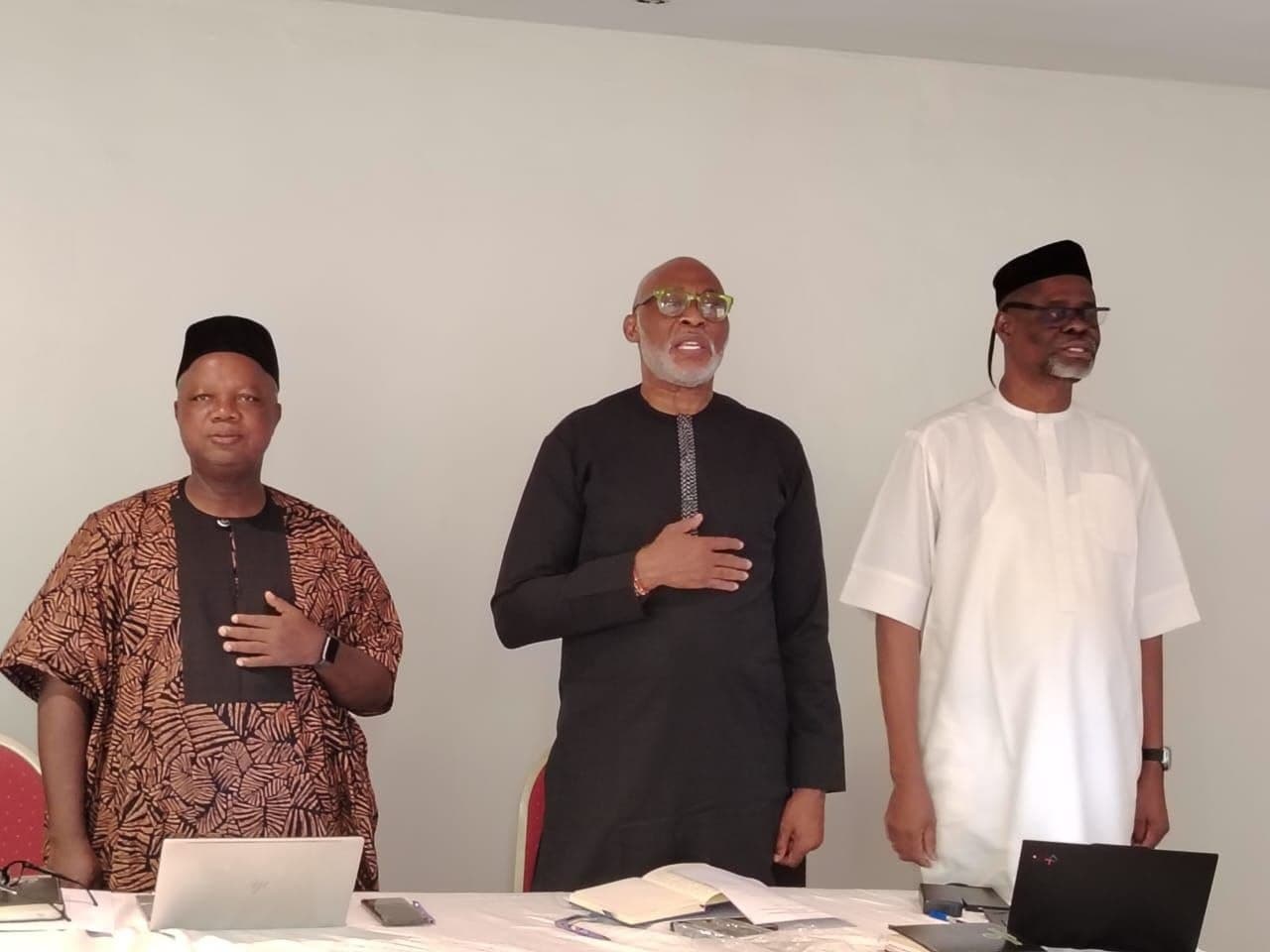
Popular Nigerian actor, writer, and producer, Chief Richard Evans Mofe-Damijo, popularly known as RMD, has called for greater inclusion of women in governance, asserting that their participation is essential for improved leadership and national development. RMD made the appeal after being decorated as an ambassador for the prevention of Gender-Based Violence (GBV) during the launch of the Steering Committee of the Male Feminists Network (MFN) in Abuja.
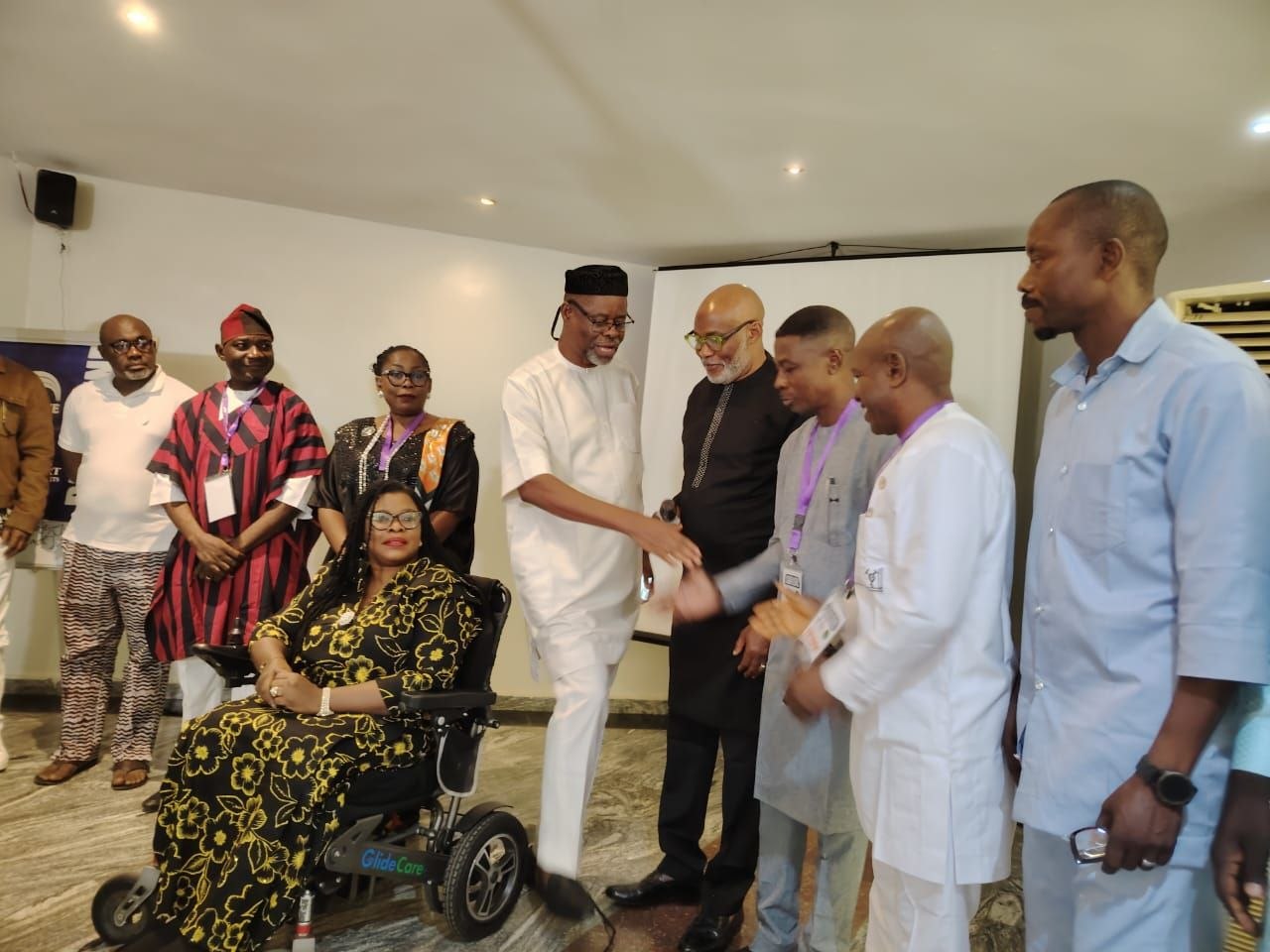
The event, organized by the African Centre for Leadership, Strategy and Development (Centre LSD), featured the inauguration of several ambassadors tasked with leading a national campaign against GBV. RMD emphasized that women often bring a high level of dedication and reliability to leadership roles, citing his personal professional experiences as evidence of their efficiency.
Personally, when I did a film two years ago, I had like 80 percent women in the crew. And I always say to people in my profession, if you want to have anything done in government, put a woman in charge and you can sleep with both your eyes closed.
— Chief Richard Evans Mofe-Damijo, Actor and GBV Ambassador, Centre LSD
Beyond governance, RMD urged men to take responsibility in the fight against GBV, stressing that the protection of women's rights is a collective societal duty rather than a struggle for women alone. He highlighted the existence of systemic ways in which women's rights are trampled upon in Nigeria and called for men to lend their voices to advocacy organizations.
He further cautioned against the objectification of women and the use of violence as a means of correction. RMD noted that meaningful change must begin within the family unit, where men set examples for their children by treating women with dignity and respect.
Just give respect to women and treat them like human beings. Or treat them like the way you would treat your daughter or your wife, with respect, with dignity. You know, don't objectify them, don't perpetrate violence. Correcting them does not mean hitting and beating them. It is easier to talk to people these days than to just use your fist.
— Chief Richard Evans Mofe-Damijo, Actor and GBV Ambassador, Centre LSD
Supporting this sentiment, the Founding Executive Director of Centre LSD, Dr. Otive Igbuzor, stated that traditional and religious leaders are pivotal in preventing GBV by challenging harmful social norms. He referenced successful interventions in Cross River and Benue states where discriminatory inheritance traditions and harmful widowhood practices were addressed through community engagement.
Igbuzor noted that culture is dynamic and can evolve through enlightenment and education. He cited the declining acceptance of female genital mutilation as a primary example of how once-entrenched practices can eventually be recognized as harmful and criminalized through persistent advocacy.
Our work has shown that many traditional rulers can become promoters of the prevention of gender-based violence. We engage them to change the social norms that perpetuate violence against women, and the response has been encouraging.
— Dr. Otive Igbuzor, Founding Executive Director, Centre LSD
The initiative has seen significant growth, according to Dr. Victoria Oseyande Udoh, Director of Monitoring, Evaluation, and Learning at Centre LSD. The project, titled "Core Support for Building a Network of Male Feminists to Prevent Gender-Based Violence in Nigeria," has trained 11,721 participants nationwide within one year, surpassing its initial targets.
The training reach includes: - 52 master trainers across the six geopolitical zones. - Over 500 community leaders and traditional rulers equipped with gender equality skills. - 3,169 men and boys from transport unions, schools, and youth organizations trained by partners. - 8,552 participants engaged via an online certification platform, with 3,200 successfully certified as male allies.
Dr. Udoh explained that the combination of grassroots community engagement and digital learning has allowed the project to achieve both scale and depth. The initiative continues to strengthen the leadership capacity of male champions to lead advocacy campaigns in workplaces, faith communities, and local governance structures.