Story
Loading the latest story
Please wait while the article is prepared.
Loading article content…
Loading article content…
Story
Please wait while the article is prepared.
Loading article content…
Loading article content…

Politics
Casting a ballot is only the beginning of civic duty; sustained accountability requires verified information, resistance to vote-buying, and persistent public engagement.
Every election season comes with excitement, tension, promises, and plenty of drama. Beneath that spectacle lies a serious question Nigerians consistently ask: how can politicians actually be held accountable? Casting a vote is critical, but it is not enough on its own. Citizens must ensure that elected officials do not disappear into office and forget the electorate that put them there.
Accountability does not appear automatically on Election Day; it requires deliberate, consistent, and collective action. Ordinary citizens possess substantial leverage, but exercising it requires strategic engagement throughout the electoral cycle and beyond.
Accountability isn't something that magically appears on Election Day. It's something we, as Nigerians, should build intentionally, consistently, and collectively. And the truth is, ordinary Nigerians have far more power than we sometimes realize.
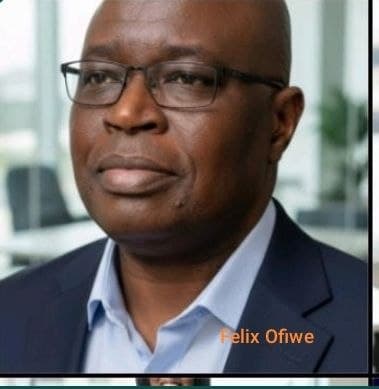
— Felix Ofiwe, Co-Founder, Co-Chairman, and CEO, The Nigerian Community
The foundation of civic oversight rests on verified information rather than rumors or political propaganda. Knowing the facts allows voters to challenge fabrications, understand government operations, and direct responsibility to the proper quarters. By following credible journalism, civil society organizations, and fact-checkers, the electorate limits the ability of politicians to manipulate public opinion.
Election season presents a crucial window to question political figures directly. Candidates become accessible during campaigns, granting interviews, publishing manifestos, and attending town halls and community gatherings. This period provides an opening to interrogate past track records, examine funding strategies for campaign promises, and demand specific policy proposals rather than vague assurances. When politicians realize voters are paying close attention, their transparency and responsiveness increase.
Social media has emerged as an indispensable accountability mechanism across Nigeria. Networks including X, Facebook, TikTok, Instagram, and Nigerian.Community serve as public forums where citizens expose corruption, amplify local grievances, and demand government action. Politicians closely monitor these discussions to gauge public sentiment.
The effectiveness of these platforms depends heavily on responsible use. Impact comes from disseminating verified reports, identifying broken commitments, and commending performance where due, rather than circulating unverified claims that undermine constructive public discourse.
Complementing digital advocacy, independent civic groups, non-governmental organizations, and watchdog bodies monitor elections, track campaign pledges, and analyze government spending. Supporting these groups by sharing their findings and participating in their programs reinforces institutional scrutiny over public officials.
Voting remains among the most decisive accountability mechanisms available to citizens, signaling that leadership must be earned. However, the integrity of the vote requires vigilance. Citizens protect this process by following certified election updates, reporting irregularities to observers and media, and rejecting vote-buying schemes.
Accepting cash inducements such as 1,000 Naira or food items like bags of rice compromises the collective future for temporary relief. Corrupt politicians rely on transactional politics precisely when they lack the intention to deliver on governance promises. Defending the electoral process forces political actors to respect the final outcome.
Accountability must continue well past the declaration of results. Sustained governance tracking involves monitoring legislative performance, attending constituency meetings, maintaining direct contact with representatives, and mobilizing around shared priorities such as security, electricity, education, and economic development. Sustained collective action remains central to demanding and securing better governance.