Story
Loading the latest story
Please wait while the article is prepared.
Loading article content…
Loading article content…
Story
Please wait while the article is prepared.
Loading article content…
Loading article content…

Crime
The investigation concerns alleged investment fraud spanning 2007 to 2015, with authorities reportedly examining billions of naira in transfers as they trace the movement of funds.

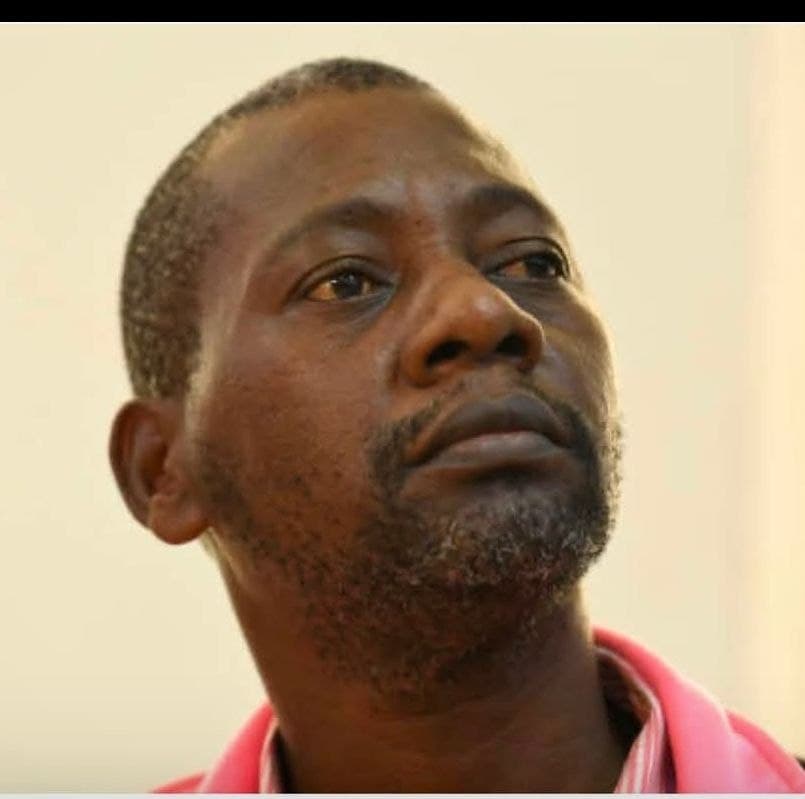
The Economic and Financial Crimes Commission (EFCC) has arrested an Abuja-based businessman, Innocent Ozoemena Ezuma, 57, over allegations that he defrauded a Ukrainian investor of more than $120 million in a scheme that allegedly spanned nearly two decades.
The arrest has brought renewed attention to allegations of large-scale investment fraud involving promises of mineral exploration and power projects that investigators say were never delivered, despite millions of dollars reportedly collected between 2007 and 2015.
The investigation has also reportedly uncovered suspicious financial transfers involving companies and relatives linked to Ezuma, including transactions involving his children, raising further questions about the movement of funds allegedly connected to the case.
An EFCC official, who confirmed the arrest in Abuja on Monday to SaharaReporters, said the businessman was being investigated for alleged advance fee fraud, criminal breach of trust, money laundering and other offences.
The allegations, if established, could expose the scale of the financial losses suffered by the Ukrainian investor and the complexities of tracing funds allegedly moved through multiple companies and family-linked accounts.
According to the allegations under investigation, Ezuma collected millions of dollars from the investor between 2007 and 2015 under the guise of financing mineral exploration and power projects.
However, the projects were reportedly never delivered, leaving investigators to examine the circumstances surrounding the transactions and the ultimate destination of the funds.
The case also raises concerns about the risks investors face when committing substantial sums to projects whose execution, financing arrangements and expected returns may be difficult to independently verify.
Beyond the alleged $120 million loss, investigators are reportedly examining financial transactions involving companies and relatives associated with the businessman.
The probe reportedly includes transfers worth billions of naira involving his children, although details of the individual transactions, their purposes and any established links to the alleged fraud have not been made public in the information available.
The investigation is expected to examine the sources of the funds, the recipients of the transfers and whether the transactions were connected to the allegations against Ezuma.
However, the reported transfers do not, on their own, establish wrongdoing by the recipients. Any liability would depend on the evidence and the outcome of the investigation.
The EFCC is investigating the businessman over alleged advance fee fraud, criminal breach of trust and money laundering, among other offences.
The allegations have yet to be established in court, and Ezuma remains entitled to the presumption of innocence.
The period covered by the allegations, from 2007 to 2015, places the transactions under investigation across several years.
Investigators will need to establish the nature of the agreements between the businessman and the Ukrainian investor, the amounts paid, the intended use of the funds and what happened to the proposed mineral exploration and power projects.
They will also need to determine whether the money was diverted from its stated purpose and whether the transfers under scrutiny have a direct connection to the alleged offences.
The arrest represents a significant development in the investigation, but the available information does not establish whether the EFCC has filed charges against Ezuma or whether the case has been brought before a court.
The commission has also not publicly disclosed, in the information available, a detailed breakdown of the alleged $120 million loss or the identities of all the companies involved.
For the Ukrainian investor, the allegations centre on a substantial financial commitment to projects that reportedly failed to materialise. For investigators, the challenge is to reconstruct the transactions, trace the funds and establish whether any criminal offences were committed.
As the investigation continues, further details may emerge about the agreements, the movement of the money and the circumstances surrounding the alleged failure of the projects.
The outcome will depend on the evidence gathered by investigators and any subsequent legal proceedings.