Story
Loading the latest story
Please wait while the article is prepared.
Loading article content…
Loading article content…
Story
Please wait while the article is prepared.
Loading article content…
Loading article content…

Education
Author Vivian Uwakwe highlights the urgent need for high-quality Nigerian children's literature to compete with digital media while preserving African cultural identity.
The battle for children’s attention is no longer simply between books and television. In a world dominated by smartphones, animation, and visually sophisticated digital content, Nigerian children's authors and publishers face a tougher challenge: producing books high enough in quality to compete with screen-based entertainment.
For children's author, illustrator, and storyteller Vivian Uwakwe, the answer is not to complain about screen time, but to make books more attractive, engaging, and relevant. She believes poorly illustrated, poorly edited, and poorly produced books have little chance of winning the attention of children who are already accustomed to high-quality visual content through their digital devices.
Children are exposed to high-quality visual media.
— Vivian Uwakwe, Author and Illustrator, Yanga Toons
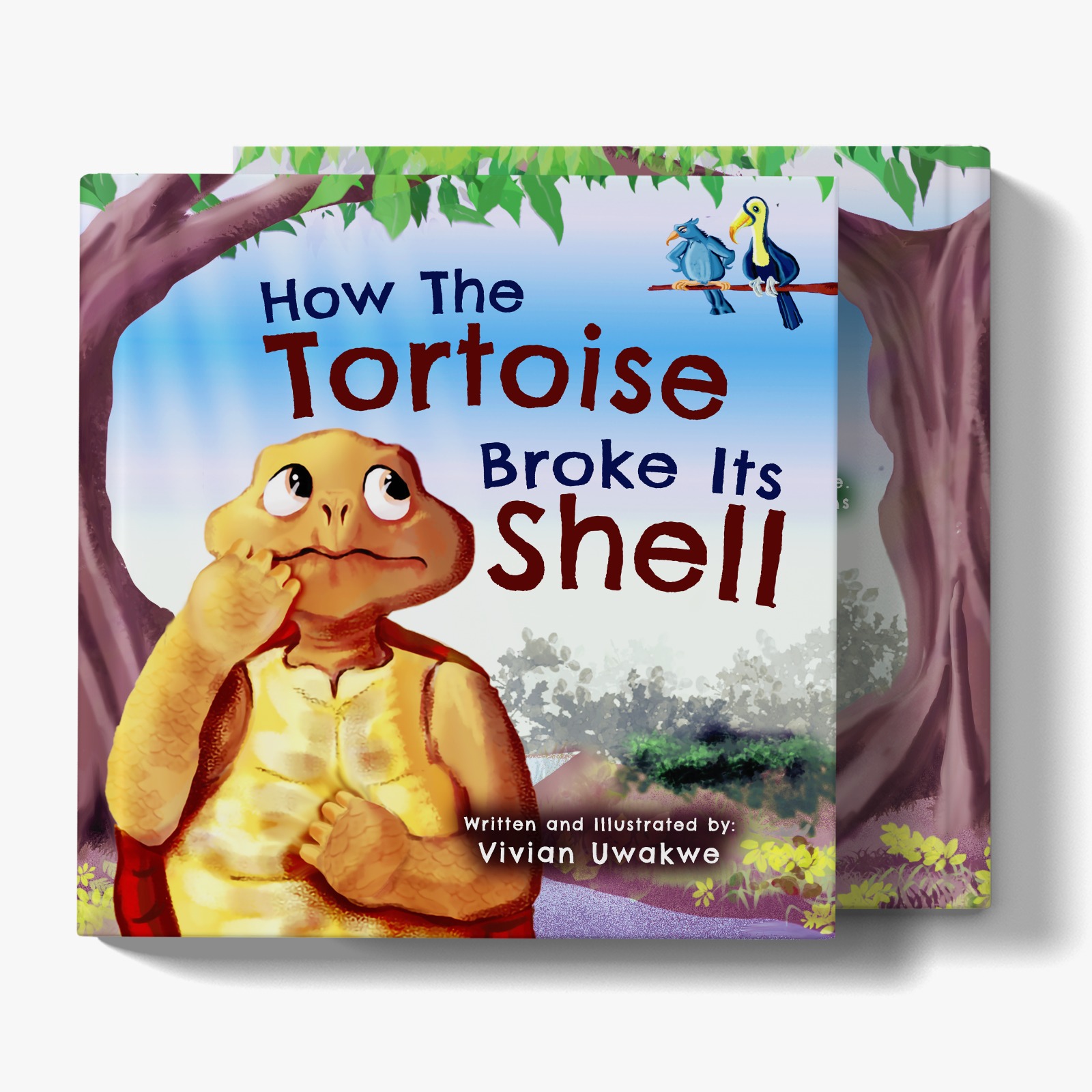
Uwakwe stresses that children are discerning readers and viewers who notice the quality of illustrations, storytelling, language, and overall presentation. To meet this standard, authors and illustrators must ensure that stories are compelling and that every element of the book—from the language to the design—is professionally executed.
Through her publishing journey with Yanga Toons, Uwakwe aims to produce literature that can stand beside international peers on any global bookshelf. She argues that African children's literature should not be treated as inferior or limited to old-fashioned representations, but should instead meet global standards of quality while remaining rooted in local experiences.
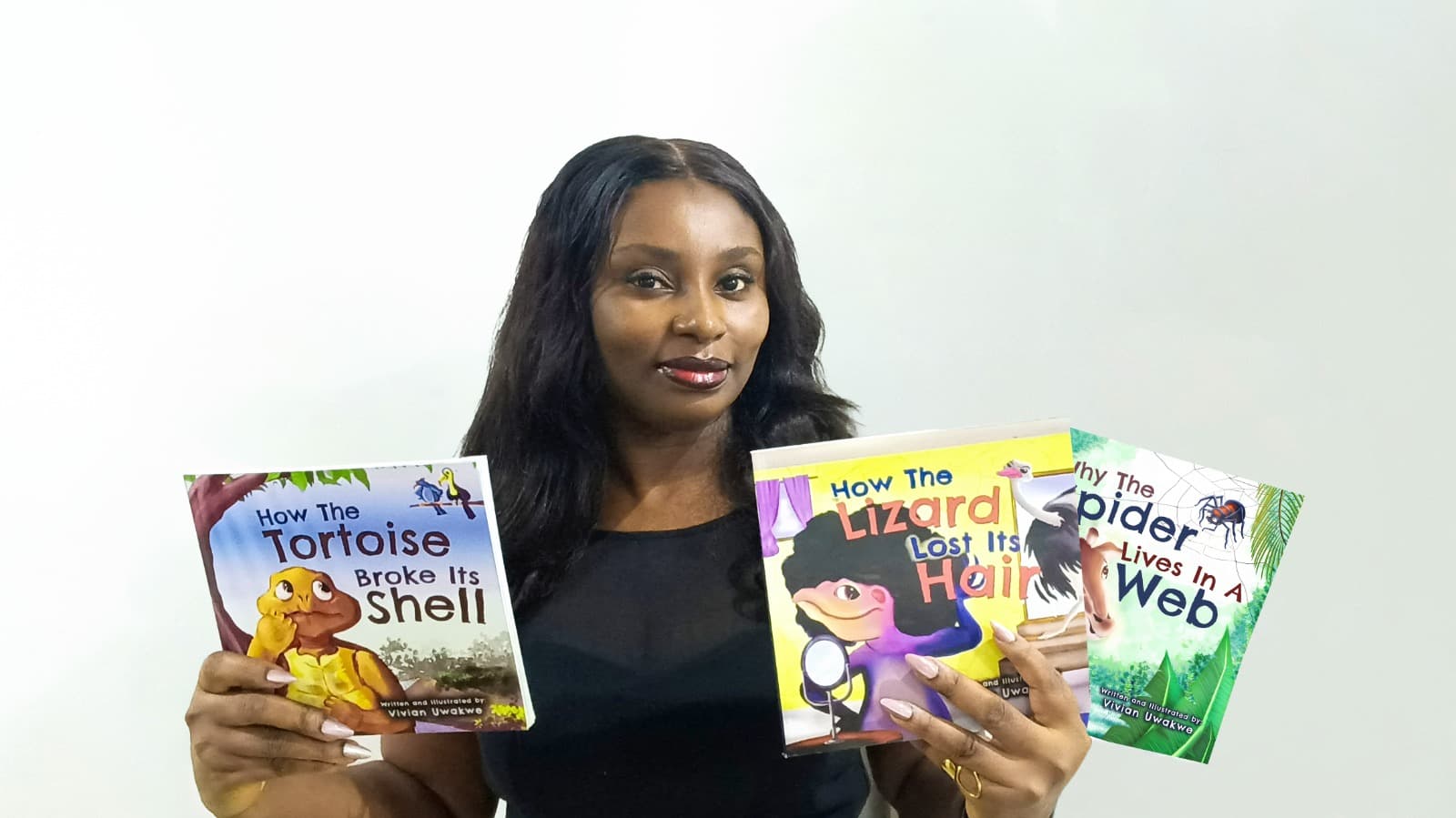
Her own works, such as How The Tortoise Broke Its Shell, How The Lizard Lost Its Hair, and Why The Spider Lives In A Web, draw inspiration from African storytelling traditions. However, they present these narratives using contemporary language and vibrant visuals, proving that cultural identity and modern presentation are not mutually exclusive.
If you lose your identity, you lose everything.
— Vivian Uwakwe, Author and Illustrator, Yanga Toons
This preservation of identity is critical because books influence how children understand themselves and their place in the world. Uwakwe expresses concern that children who do not see their own realities reflected in the literature they consume may grow up believing their experiences are less important.
Direct interactions with pupils during school visits have reinforced Uwakwe's belief that children deserve the same seriousness and attention to quality given to adult literature. She has encountered young students who are deeply imaginative, often challenging her storylines or suggesting alternative endings to her books.
In some instances, children as young as ten are already writing their own stories. These encounters have shown her that today's youth are often much smarter and more creative than adults give them credit for, further highlighting the need for sophisticated book production.
They are much smarter than we give them credit for.
— Vivian Uwakwe, Author and Illustrator, Yanga Toons
Uwakwe also believes schools play a vital role by exposing children to local creators. Such interactions help children realize that writing and illustration are viable creative career paths rather than distant or impossible concepts.
Uwakwe maintains that the responsibility for improving children's literature should not rest solely on individual authors. She calls for a collaborative effort involving the government, schools, publishers, and corporate organizations to strengthen the industry through better review systems, proper age categorization, and financial support such as grants and sponsorships.
Independent authors currently carry the heavy financial burden of writing, illustration, editing, and marketing. Corporate social responsibility initiatives can bridge this gap, particularly for children in public schools who lack access to diverse literature. She cited Leadway Assurance's Pages to Places 4.0 initiative as a successful model for expanding access to locally produced books.
Ultimately, the goal is to raise a generation that reads, imagines, and understands its identity while confidently engaging with the wider world. To win the race for attention, Nigerian books must offer both culture and quality, making the prospect of turning a page more enticing than picking up a smartphone.