Politics
Tinubu 2027: Legal battle mounts over alleged discrepancies in academic records
A fresh lawsuit filed by the Centre for Reform and Public Advocacy seeks to disqualify President Bola Ahmed Tinubu from the 2027 election over alleged academic discrepancies. The case, set for September 2026, revives intense debate over the President's constitutional eligibility and educational history
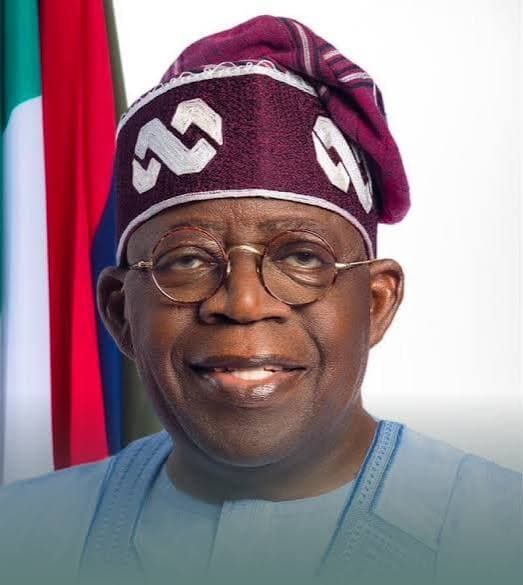
Legal Action Over Presidential Eligibility
A fresh controversy has erupted over a suit seeking to disqualify President Bola Ahmed Tinubu from contesting the 2027 presidential election over allegations bordering on the authenticity of his academic credentials. The development has renewed debate among lawyers, activists, and political observers regarding the need for the courts to determine the merits of long-standing questions surrounding the President’s educational records.
The suit, filed by the Centre for Reform and Public Advocacy (CFRPA) before the Federal High Court in Kano, is marked FHC/K/CS/312/2026. It lists Tinubu, the Independent National Electoral Commission (INEC), and Chicago State University (CSU) as defendants. Contrary to reports that the matter had been adjourned indefinitely, available records indicate that the court has fixed September 21, 2026, for the mention of the suit.
Allegations of Forgery and Inconsistency
CFRPA is asking the court to declare Tinubu ineligible to contest the 2027 presidential election, alleging that documents attributed to him and submitted to INEC during the 2023 presidential election contained discrepancies and were forged. The organization specifically alleged that the President submitted a purported Chicago State University certificate and a National Youth Service Corps (NYSC) discharge certificate that it considers questionable.
The group further challenged the President’s educational history, particularly his claimed attendance at Government College Lagos. According to the plaintiff, the institution was established in 1974, while records and accounts cited in the case indicate that Tinubu would have completed his secondary education several years earlier. The CFRPA contends that this chronology raises questions about how the President could have obtained a secondary school certificate from the institution.
Sought Reliefs and Judicial Context
In its court action, CFRPA is seeking several reliefs, including a declaration on the alleged forgery and an order directing INEC to disqualify Tinubu from the 2027 presidential election. The organization also seeks an injunction restraining the electoral body from accepting his nomination and a directive for Chicago State University to strike the President's name from its records. This follows a petition the group sent to INEC in June 2026 asking for clarification on his credentials.
This controversy revives memories of the legal battle during the 2023 election cycle when former Vice-President Atiku Abubakar approached a United States court for access to Tinubu’s academic records. While the US court granted access to the records, it did not determine whether forgery had occurred or if the President was constitutionally qualified. The current suit now places these issues back in the public domain as political activities for 2027 gather momentum.
Under Section 131 of the 1999 Constitution (as amended), a person seeking election as President must be a citizen of Nigeria by birth, have attained the age of 35 years, and meet specific educational requirements. The CFRPA case seeks to establish that the alleged discrepancies in Tinubu’s records are sufficient to affect his constitutional eligibility.