Story
Loading the latest story
Please wait while the article is prepared.
Loading article content…
Loading article content…
Story
Please wait while the article is prepared.
Loading article content…
Loading article content…

Human Interest
Stakeholders under the MAZARO Project, led by BraveHeart Initiative, are calling on traditional leaders, families, women groups and youths in Edo North to take ownership of the campaign against Sexual and Gender-Based Violence and harmful cultural practices.
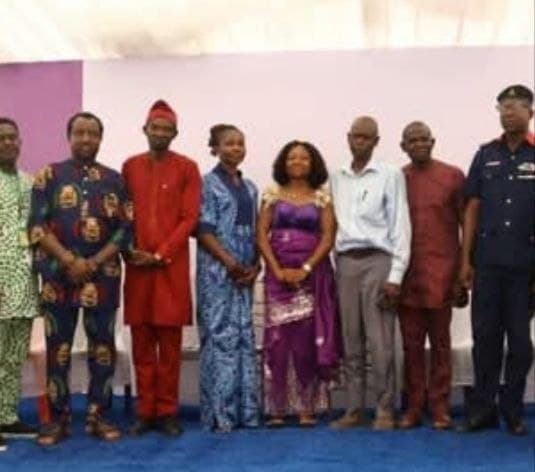
Stakeholders have called for stronger community-driven efforts to combat Sexual and Gender-Based Violence, SGBV, harmful traditional practices and gender discrimination, stressing that sustainable change can only be achieved through collective action involving traditional institutions, families, women groups, youths and community leaders. The call was made during an event organised under the MAZARO Project by BraveHeart Initiative, BHI, where participants underscored the need for sustained public awareness, education and advocacy to address the root causes of violence and inequality in rural communities.
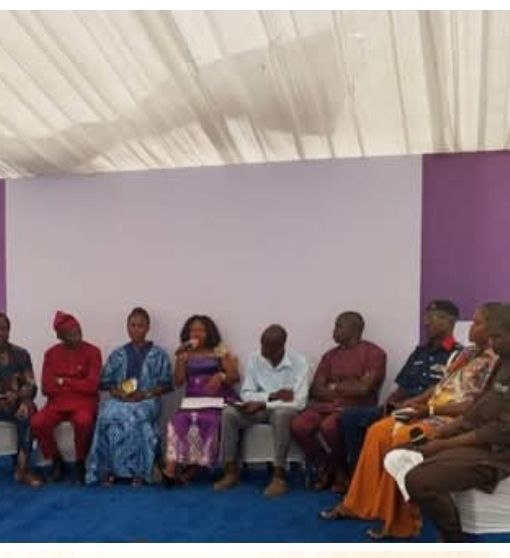
Giving an overview of the project, Executive Director of BraveHeart Initiative, Priscilla Ikos Usiobaifo, disclosed that the MAZARO Project originated from a comprehensive baseline survey conducted across rural communities in Edo North. According to her, the research was designed to assess the prevalence and underlying causes of Sexual and Gender-Based Violence, while also examining cultural beliefs and practices that negatively affect women, girls and other vulnerable groups. She explained that the findings provided critical evidence that informed the design of interventions tailored to the realities of rural communities.
The findings from the survey gave us a clear understanding of the challenges facing these communities and provided the evidence needed to develop interventions that respond directly to their realities.
— Priscilla Ikos Usiobaifo, Executive Director, BraveHeart Initiative
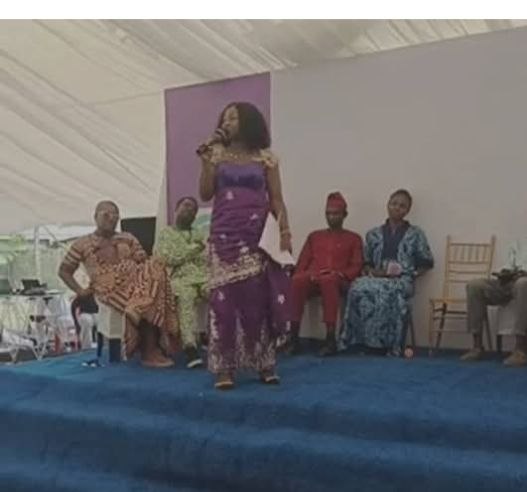
She called on traditional rulers, community unions, women groups, youth organisations and families to take ownership of the campaign against harmful practices by becoming agents of positive change within their communities. According to her, stakeholders must reject all forms of harmful cultural practices and promote values anchored on respect, equality and human dignity.
Stakeholders must reject all forms of harmful cultural practices and promote values anchored on respect, equality and human dignity.
— Priscilla Ikos Usiobaifo
Usiobaifo further stressed the importance of education, strong family values and the inclusion of women in decision-making processes, noting that women should have greater participation in inheritance rights, community governance and leadership structures.
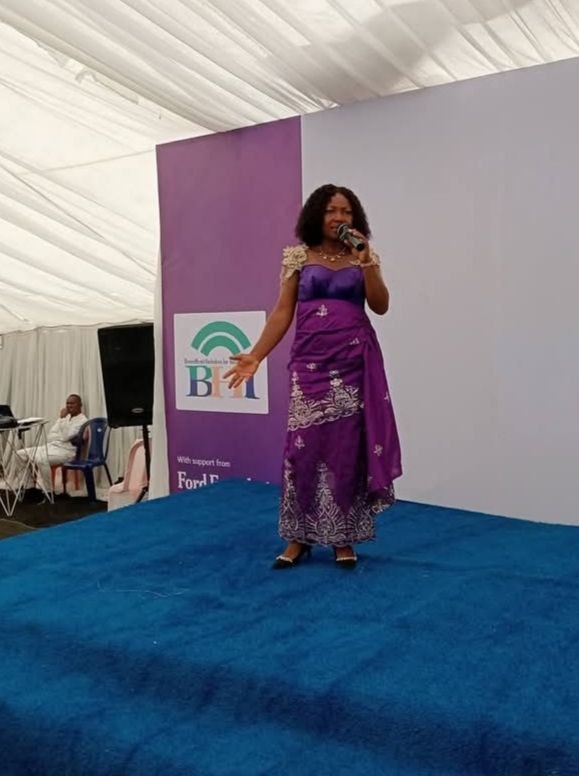
During a panel discussion, stakeholders highlighted the importance of continuous engagement with traditional and community gatekeepers to strengthen collective action and ensure sustainable solutions to social challenges affecting local communities. Participants also advocated intensified public awareness campaigns on SGBV, stressing the need to educate residents on prevention strategies, reporting channels and available support services.
They further emphasised the importance of empowering women and girls with knowledge of their rights while encouraging men and boys to actively participate in discussions and initiatives promoting gender equality and social justice. The stakeholders also called for stronger measures to tackle harmful stereotypes, discrimination and social exclusion, noting that behavioural change requires sustained advocacy and collaboration across all sectors of society.
They urged the media, civil society organisations and government institutions to deepen advocacy efforts aimed at promoting inclusive societal values and advancing the fight against Sexual and Gender-Based Violence nationwide. The event concluded with renewed commitments from participants to support community-based interventions and strengthen partnerships that will help create safer and more equitable communities for all.