Story
Loading the latest story
Please wait while the article is prepared.
Loading article content…
Loading article content…
Story
Please wait while the article is prepared.
Loading article content…
Loading article content…

News
The Oshodi Resettlement Market remains closed following an alleged attack on Lagos State Environmental Sanitation Corps officials, with investigations now revealing multiple violations including tax non-compliance and sanitation concerns that must be resolved before reopening.
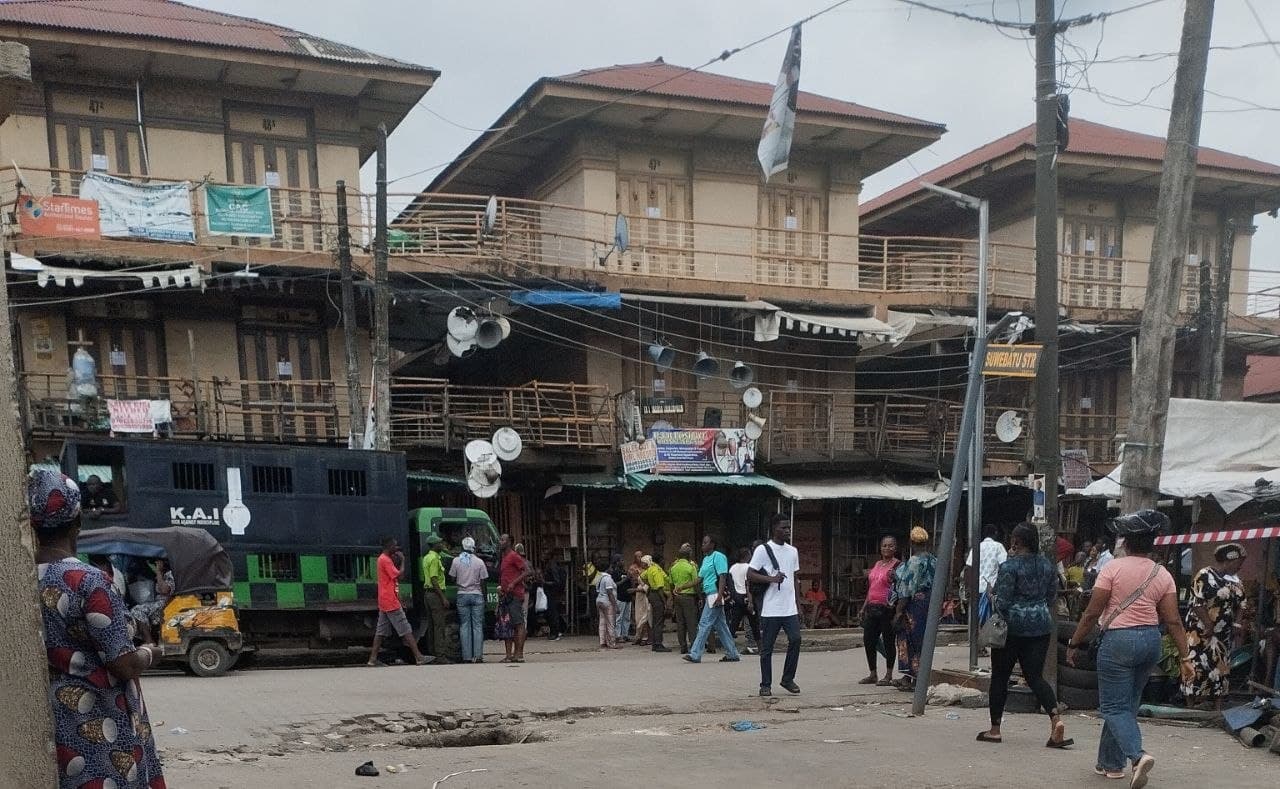
For many traders at the Oshodi Resettlement Market, Wednesday was another day of waiting, worrying and watching opportunities slip away. Instead of the usual bustle of customers haggling over prices, delivery vans loading goods and traders calling out to buyers, the sprawling market sat in unusual silence, its gates firmly locked and plastered with official closure notices. Behind the closure, however, lies a deeper story of ordinary Nigerians caught in the crossfire of enforcement actions, tax disputes, environmental concerns and security issues - a situation that has left hundreds of families uncertain about where their next meal may come from.
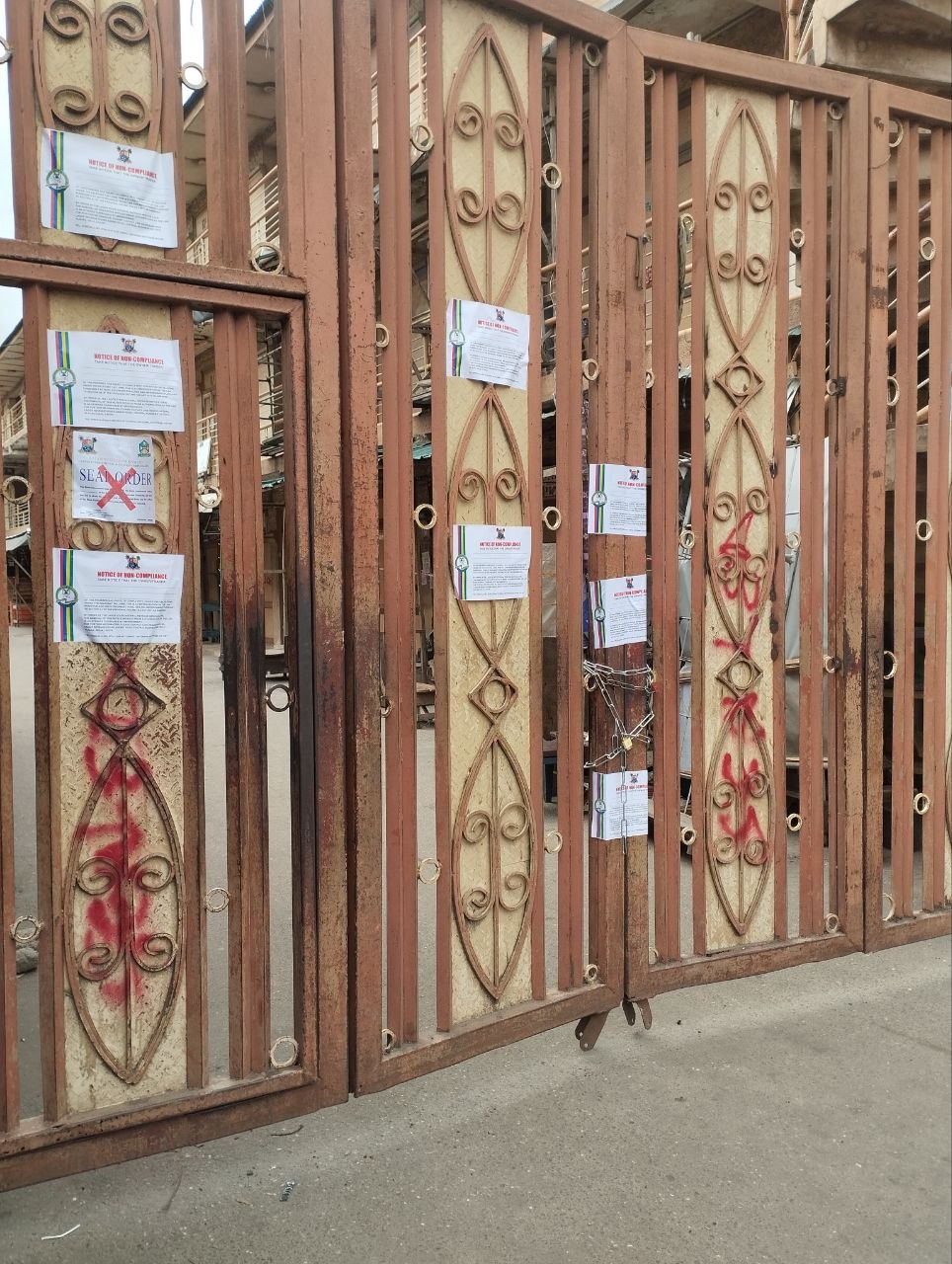
When Naijachronoscope visited the market, clusters of traders sat under shades and around plazas, discussing rumours of a possible reopening while anxiously checking their phones for updates from market leaders. For many of them, every day the market remains closed translates directly into lost income. Most declined to speak on record, citing ongoing negotiations with government authorities and fears that public comments could affect efforts to secure the market's reopening. Yet their frustration was evident.
We are just praying for mercy. Many of us survive on what we sell every day. If the market is closed, everything stops.
— Oshodi Trader (name withheld)
The market was shut by the Lagos State Government following an alleged attack on officials of the Lagos State Environmental Sanitation Corps, LAGESC, popularly known as KAI, during an enforcement operation. However, what began as a security incident has since widened into a broader dispute involving tax compliance and environmental concerns.
A commercial tricycle operator in the area, identified simply as Tunde, described how the events unfolded. According to him, an altercation involving a roadside trader and KAI officials escalated into violence when the trader allegedly resisted what he saw as harassment.
The market was closed down by the government because the government alleged that the traders in the market don't pay taxes. There was an issue involving a Mallam selling noodles on the roadside and officials of KAI. The issue degenerated badly and they attacked the officials with stones. The officials had to flee with their vehicle. Later, they reinforced and came back with task force officials. They also opened teargas on them, which affected other innocent traders.
— Tunde, Commercial Tricycle Operator
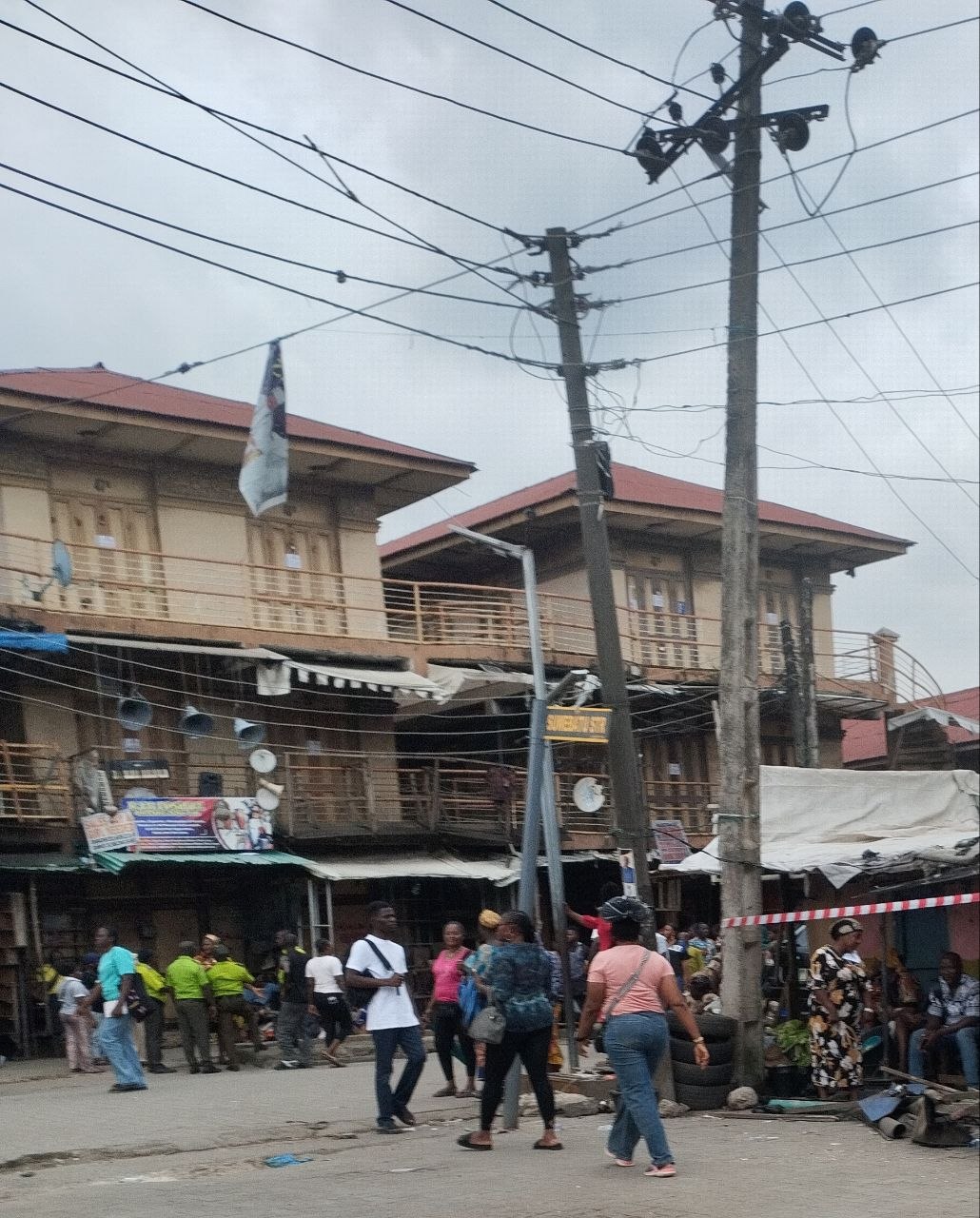
Tunde alleged that repeated enforcement actions against roadside traders contributed to tensions in the area, with officials allegedly seizing goods and arresting vendors. He further claimed that some makeshift structures used by small-scale traders were demolished during the operation and that some people were arrested.
While traders narrated stories of hardship and lost income, government officials maintained that the closure was necessary to address multiple violations uncovered during investigations. Head of the Public Affairs and Advocacy Unit of LAGESC, Mr. Ajayi Lukman, said the closure initially stemmed from an attack on enforcement officers and the alleged protection of suspects by some traders.
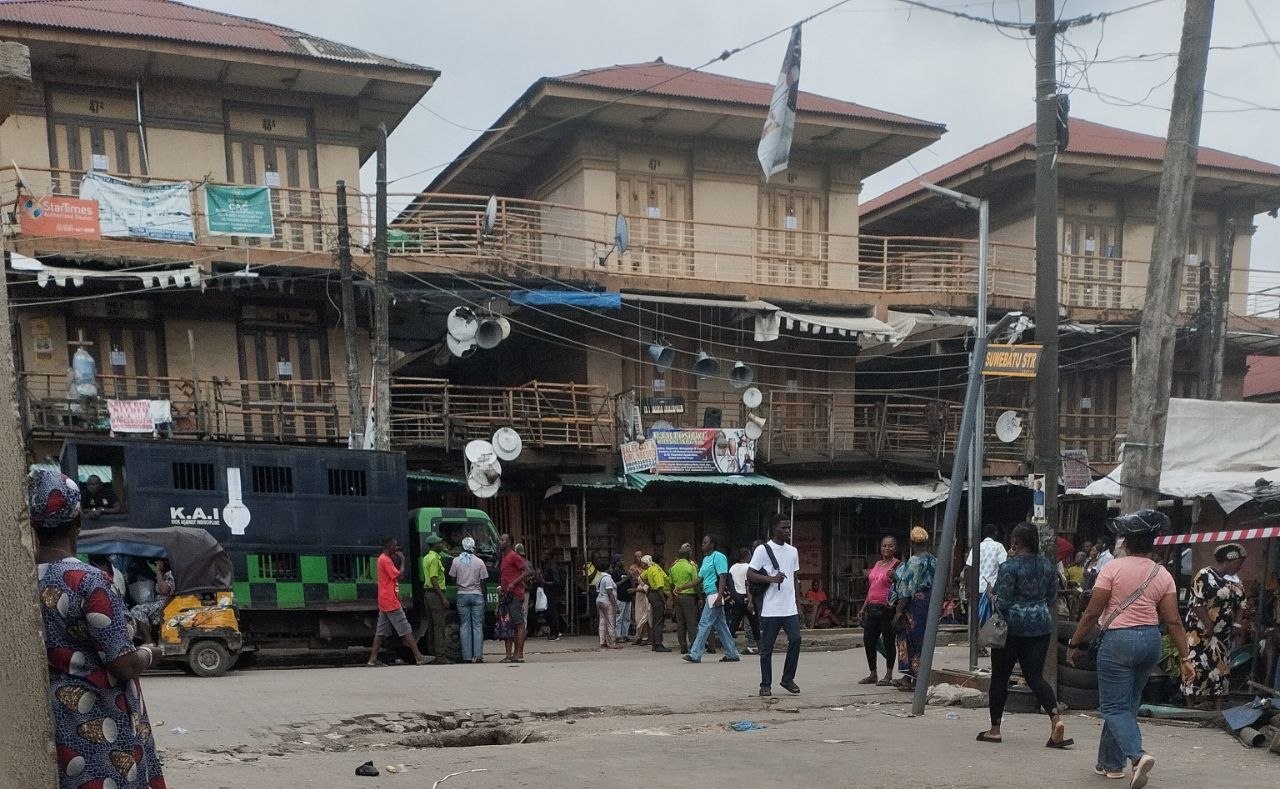
The closure of the Resettlement Market was initially triggered by an incident involving some traders who allegedly shielded individuals accused of attacking officials of the Lagos State Environmental Sanitation Corps. When officials attempted to arrest the suspects, they reportedly fled into the market, where some traders protected them from arrest. Consequently, the market was shut down by the authorities.
— Ajayi Lukman, Head of Public Affairs and Advocacy Unit, LAGESC
According to him, subsequent investigations revealed additional concerns beyond the initial security incident.
Further investigations revealed additional issues. Officials of the Lagos Inland Revenue Service discovered that some traders had outstanding tax obligations, while environmental officials identified sanitation concerns, including septic tanks that required urgent attention. The market's closure is therefore linked to multiple issues. Before the market can be reopened, the affected traders and market authorities must address the security, tax and environmental concerns raised by the relevant government agencies.
— Ajayi Lukman
The revelation has added another layer to the uncertainty facing traders, many of whom insist they had no involvement in the confrontation that led to the shutdown. For them, the closure has become a painful reminder of how quickly livelihoods can be disrupted. Several traders said that they spent the day sitting around the market with nothing to do before eventually returning home empty-handed.
Some worried about meeting family obligations, paying school fees and settling debts owed to suppliers. Others expressed concern that customers could permanently shift to alternative markets if the shutdown persists. Around the market, security personnel maintained a visible presence, ensuring compliance with the closure order and preventing unauthorised access.
Yet beyond the locked gates and official notices are countless stories of resilience and survival. For traders whose lives revolve around daily sales, the market is more than a place of business - it is the heartbeat of their households and the source of their hopes. As negotiations continue between market leaders and government agencies, many remain optimistic that common ground will be found. Until then, the once-vibrant Oshodi Resettlement Market remains a symbol of how security concerns, tax compliance and environmental responsibilities can collide with the everyday struggle of citizens striving to earn an honest living.