Story
Loading the latest story
Please wait while the article is prepared.
Loading article content…
Loading article content…
Story
Please wait while the article is prepared.
Loading article content…
Loading article content…

Environment
The Lagos State Government has ordered immediate dredging and maintenance of 28 additional primary drainage channels after weeks of heavy rainfall triggered flash flooding across several parts of the state. Officials say the move is aimed at improving flood control as residents in vulnerable communities face continued weather-related disruption.
The Lagos State Government on Tuesday appealed to residents to remain calm following the widespread flash flooding recorded across several parts of the state after two weeks of persistent heavy rainfall.
Governor Babajide Sanwo-Olu approved the immediate dredging and maintenance of 28 additional primary drainage channels as part of efforts to improve flood control and strengthen the state’s drainage infrastructure.
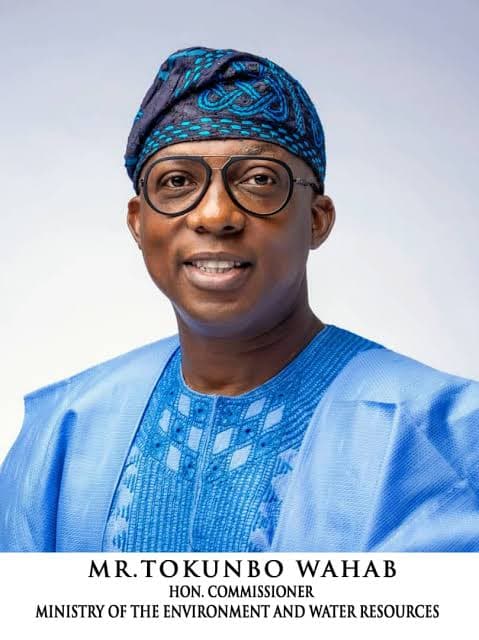
The Commissioner for the Environment and Water Resources, Mr. Tokunbo Wahab, disclosed the decision while addressing the flooding that affected many communities across Lagos.
He said the approval forms part of ongoing measures by the state government to improve the capacity of flood control systems as the rains continue.
According to Wahab, the intensity of the downpours overwhelmed drainage channels in some locations, leading to temporary flooding in parts of Victoria Island, Lekki, Ikeja, Gbagada, Mushin, Mafoluku and several other areas of the state.
He attributed the situation to an extreme weather event that brought an unusually large volume of rainfall within a short period.
The rainfalls were an extreme weather event that produced an unusually high volume of water within a short period, overwhelming drainage channels in some locations and resulting in temporary flooding across parts of Victoria Island, Lekki, Ikeja, Gbagada, Mushin, Mafoluku and several other areas,
— Tokunbo Wahab, Commissioner for the Environment and Water Resources, Lagos State Government
Wahab said the flooding in Lagos was not an isolated occurrence, noting that several African countries and cities in North America also recorded heavy rainfall and flooding on the same day.
The commissioner said Lagos presents a more complex hydrological environment because of its extensive network of lagoons, rivers, creeks and tidal water bodies.
He explained that the interaction between the Atlantic Ocean, Lagos Lagoon and the state’s numerous rivers and creeks, especially during periods of high tide, naturally slows the discharge of stormwater into the sea.
According to him, this often results in temporary flooding in low-lying communities whenever exceptionally heavy rainfall occurs.
He added that the state government was closely monitoring drainage infrastructure, flood-prone communities and major water channels across Lagos, while emergency response agencies remained on the ground to support affected residents and facilitate the recession of floodwaters as weather conditions permit.
Wahab said that despite sustained government investment in drainage construction, channelisation, desilting and other flood control infrastructure, residents also have an important role in reducing the impact of flooding.
He urged residents to desist from indiscriminate disposal of refuse into drains, canals and waterways, illegal reclamation of wetlands, construction on drainage alignments and other activities capable of obstructing the free flow of stormwater.
According to him, such practices contribute significantly to flooding during periods of intense rainfall. He also described flood management as a shared responsibility and urged residents to keep drainage channels free from waste and report activities that could block stormwater flow.
The commissioner further advised motorists to avoid driving through flooded roads during heavy rainfall and asked residents, especially those in flood-prone communities, to pay close attention to weather advisories and comply with safety instructions issued by relevant government agencies.
Wahab pointed to the growing effects of climate change, saying coastal cities around the world are increasingly experiencing more frequent and intense rainfall events.
Lagos is not exempted from these realities; However, the State Government remains steadfast in its commitment to building a flood-resilient city through sustained infrastructure development, environmental enforcement and active collaboration with residents,
— Tokunbo Wahab, Commissioner for the Environment and Water Resources, Lagos State Government
He reaffirmed the Lagos State Government’s commitment to safeguarding lives and property through proactive flood management measures.
The commissioner also called on residents to continue cooperating with the government in building a cleaner, safer and more resilient Lagos.