Story
Loading the latest story
Please wait while the article is prepared.
Loading article content…
Loading article content…
Story
Please wait while the article is prepared.
Loading article content…
Loading article content…

Business
Parts Central Limited has unveiled a strategic plan to transform marine litter and plastic waste from Nigeria's waterways into economic resources through recycling and biofuel production. The initiative, partnered with the National Inland Waterways Authority, aims to establish a sustainable circular economy while generating employment opportunities nationwide.
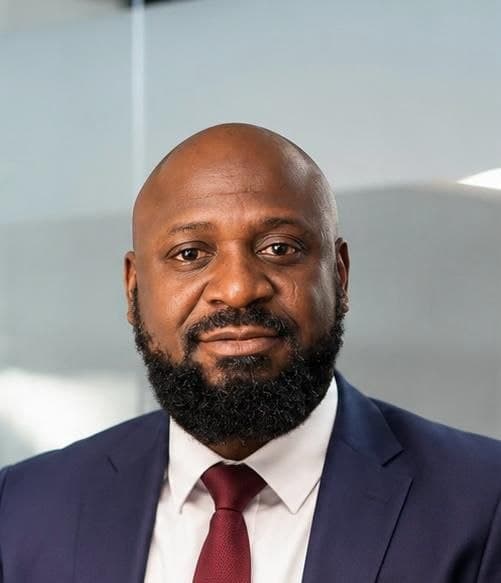
The Managing Director of Parts Central Limited, Henry Olaoluwa Onifade, has unveiled plans to transform plastic waste, water hyacinth, and other marine litter clogging Nigeria’s waterways into economic wealth. Through recycling, biofuels, and other value-added processes, the company seeks to address environmental degradation while fostering industrial growth.
Onifade disclosed this in Lagos while interacting with maritime journalists during activities marking his birthday. During the session, he provided an update on the company’s recently launched nationwide waterways clean-up initiative, conducted in partnership with the National Inland Waterways Authority (NIWA). He emphasized that the project is designed to establish a sustainable system for recovering, processing, and converting waste into useful products capable of generating employment.
we don't have waste anymore; waste is now wealth
— Henry Olaoluwa Onifade, Managing Director, Parts Central Limited
Declaring a shift in perspective regarding environmental pollutants, Onifade noted that Parts Central is currently exploring technologies that enable materials recovered from waterways to be reintroduced into productive value chains. Biodegradable materials recovered during the clean-up will be processed for various applications, including biofuels, rather than being discarded.
To ensure the efficiency of the clean-up operations, Parts Central is developing a technology-driven database covering ports, jetties, landing sites, riverbanks, and dockyards across Nigeria’s inland waterways. This database is expected to provide critical information on the volume and pattern of waste generated at different locations, allowing for more effective resource deployment by the company and relevant government agencies.
As part of the data-gathering process, every jetty and landing port will be assessed to establish the availability of appropriate waste-management facilities. This assessment will also extend to boats and other watercraft operating within the system. The goal is to ensure that waste is not merely moved from one location to another but is properly sorted and channeled into appropriate recycling systems.
It's not for us to have the data, because if you don't have data of the people you want to cater for, you don't know how to cater for them.
— Henry Olaoluwa Onifade, Managing Director, Parts Central Limited
Onifade further explained that the company has invested significant time in testing various technologies capable of tackling waterway pollution. The approach is intended to bring manufacturers and other players in the plastics and waste-management value chain into the program to ensure a comprehensive circular economy.
The initiative is currently preparing to extend its campaign beyond Lagos, with operations set to commence in Port Harcourt and Imo State. This expansion is part of a broader strategy to establish a nationwide waste-recovery system supported by reliable data and coordinated infrastructure. Onifade noted that the growing interest from the National Environmental Standards and Regulations Enforcement Agency (NESREA) and other state-level stakeholders indicates that the initiative is addressing a major national challenge.
Our goal is for us to have pollution-free waterways. By God's grace, we will integrate everybody who has a very good and genuine mindset that pollution-free waterways is possible in Nigeria.
— Henry Olaoluwa Onifade, Managing Director, Parts Central Limited
Reflecting on his transition from partisan politics to enterprise, Onifade stated that his political experience provided a deeper understanding of public needs, which now drives his pursuit of practical business solutions. He urged Nigerians to view environmental challenges as economic opportunities, maintaining that the long-term objective is to turn Nigeria’s waterways into platforms for enterprise development and wealth creation.