News · Community
Mentorship should open doors, not create dependency — Coach Lara
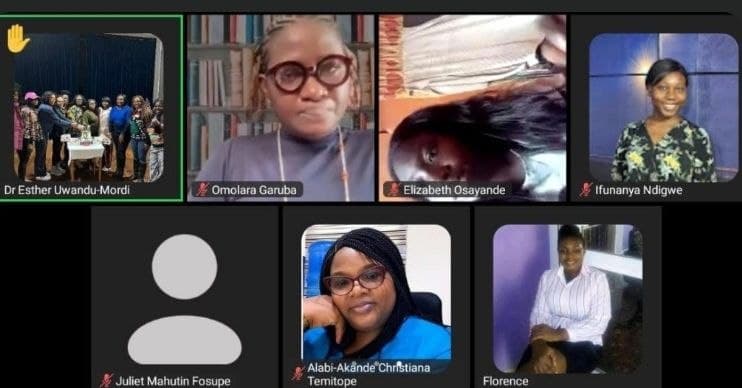
Navigating the Path to Healthy Mentorship
Mentorship can significantly shorten the distance between a person’s current reality and their aspirations, but choosing the wrong guide can transform a rewarding relationship into an unhealthy dynamic. This warning was the central theme of the August webinar hosted by the Female Freelancers Network (FFN), where Omolara Garuba, popularly known as Coach Lara, cautioned against mentors who make their mentees feel inferior or dependent.
Coach Lara urged participants to seek mentors who prioritize capacity building and door-opening over control. She highlighted that mentorship is a strategic tool for efficiency, allowing individuals to achieve in a few years what might otherwise take decades to accomplish through trial and error.
Mentorship is living a soft life. What it took one 20 years to achieve with a mentor might take someone else five years. And at different stages of life, you need a mentor.
— Omolara Garuba, Founder, Global Mentoring Club
Establishing Value and Mutual Benefit
The webinar, hosted by FFN convener Elizabeth Osayande, sought to challenge the perception of mentorship as a one-sided favor. Osayande emphasized that for the relationship to be sustainable, it must create tangible value for both parties involved. The network's mission focuses on education, enlightenment, and empowerment, particularly for women in the freelance space.
For us at FFN, it is more than education, enlightenment, and empowerment for all, especially women.
— Elizabeth Osayande, Convener, Female Freelancers Network
Coach Lara, who is also a lawyer and CEO of the Global Mentoring Club, explained that effective mentorship does not always require physical proximity or personal acquaintance. She noted that mentorship can be facilitated through literature, citing Brian Tracy as a significant remote influence on her early career. However, she was firm that mentors must establish structures to prevent burnout and avoid creating emotional dependency.
Responsibilities and Boundaries for Mentees
For those seeking guidance, the responsibility involves more than just finding a successful figure to follow. Mentees are expected to be teachable, respect professional boundaries, and remain open to uncomfortable truths that facilitate growth. Coach Lara advised building a "personal board of mentors" rather than relying on a single individual for all areas of life.
Every mentee must be prepared to hear the hard truth. Yes, life will bring you there, but a mentor will give you speed. So, you need to be ready to learn and respect boundaries.
— Omolara Garuba, CEO, Global Mentoring Club
She further noted that mentorship is fluid; an individual may serve as a mentor in one discipline while remaining a mentee in another. In selecting a mentor, factors such as experience, shared values, and specific skills should take precedence over age.
Recognizing the Value of Experience
The discussion also addressed the common assumption that mentorship should always be provided free of charge. While goodwill is a factor, Coach Lara argued that the time, knowledge, and experience invested by mentors must be recognized and valued appropriately. This includes setting clear boundaries and acknowledging the professional cost of the mentor’s time.
Valuing your time, setting boundaries, and gaining experience are important and should not be underestimated.
— Omolara Garuba, Founder, Women, Wealth & Wills Network
Moderated by FFN’s Communication Manager, Ifunanya Ndigwe, the session concluded that healthy mentorship requires mutual respect and clear expectations. The ultimate goal of the relationship is to provide the mentee with the confidence, networks, and direction necessary to grow independently, rather than keeping them in the shadow of their mentor.