Story
Loading the latest story
Please wait while the article is prepared.
Loading article content…
Loading article content…
Story
Please wait while the article is prepared.
Loading article content…
Loading article content…

Politics
Rights advocacy group RULAAC says Nigeria's Democracy Day should be a moment of honest national reflection, not ceremony — warning that 27 years of civilian rule have yet to translate into justice, security and accountability for ordinary Nigerians.
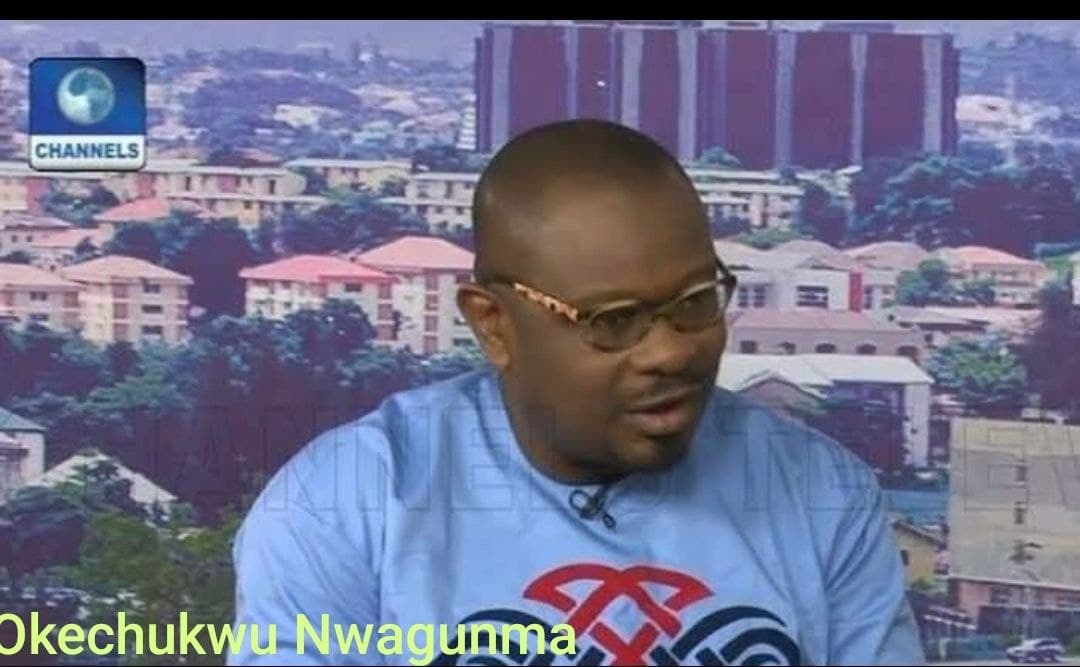
As Nigeria marked the 2026 Democracy Day celebration, the Rule of Law and Accountability Advocacy Centre, RULAAC, has called on the Federal Government and political leaders to move beyond symbolic commemorations and focus on ensuring that democracy delivers justice, security, accountability and improved living conditions for citizens. Executive Director of RULAAC, Okechukwu Nwanguma, made the call in a Democracy Day statement, saying while Nigerians have reasons to celebrate the country's uninterrupted democratic journey since 1999, the occasion should also serve as a moment for sober reflection on the state of governance and the welfare of citizens.
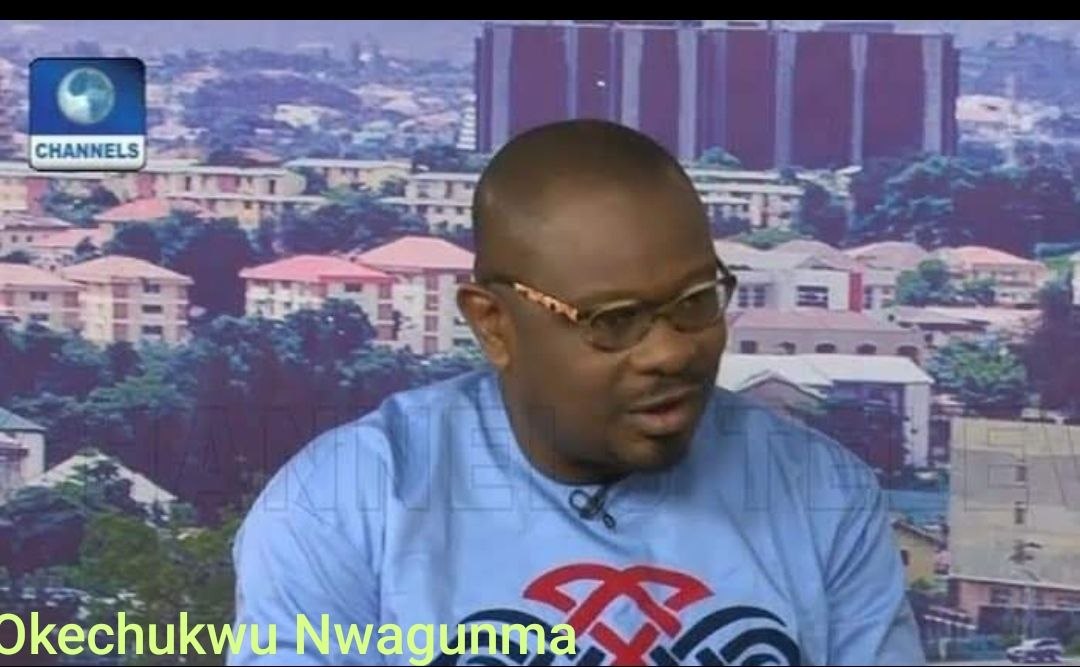
Nwanguma acknowledged that Nigeria's return to civilian rule and the resilience of citizens who resisted military dictatorship remain important milestones worth celebrating. He also commended journalists, civil society organisations, labour unions and pro-democracy activists who played critical roles in the struggle for democratic governance and continue to defend democratic freedoms.
We can celebrate the resilience of Nigerians who resisted military dictatorship, the sacrifices of the heroes of June 12, and the fact that democratic space, however imperfect, still exists.
— Okechukwu Nwanguma, Executive Director, RULAAC
The rights advocate warned against equating democracy solely with elections and the existence of elected governments, insisting that democratic success must be assessed based on its real impact on the lives of ordinary citizens. He expressed concern that despite 33 years since the historic June 12, 1993 presidential election and 27 years of uninterrupted civilian rule, many Nigerians continue to grapple with poverty, insecurity, corruption, unemployment and exclusion from governance.
Democracy cannot be measured merely by the conduct of elections or the existence of elected governments. It must be judged by the extent to which it improves the lives of citizens, protects their rights, guarantees justice, and ensures accountability.
— Okechukwu Nwanguma
Nwanguma further alleged that human rights violations remain prevalent, while civic freedoms face increasing threats through intimidation, arbitrary arrests and the misuse of existing laws to suppress dissenting voices. He said public trust in democratic institutions has also been weakened by electoral controversies, poor accountability mechanisms and growing perceptions that public office is often pursued for personal gain rather than public service.
The enduring significance of June 12 lies not in annual ceremonies but in its democratic ideals. The election represented the possibility of a Nigeria where the will of the people prevails, where votes count, where institutions are trusted, and where leaders derive legitimacy from genuine popular consent.
— Okechukwu Nwanguma
Nwanguma stressed that Democracy Day should serve as an opportunity for national introspection and recommitment to democratic values, measuring the country's progress against the aspirations embodied in the June 12 struggle — particularly the ideals of justice, inclusion, rule of law and electoral integrity.
Democracy Day should therefore be more than a celebration; it should be a moment of honest reflection and national recommitment to the principles of accountability, rule of law, human rights, inclusion, and electoral integrity.
— Okechukwu Nwanguma
He maintained that the heroes of June 12 fought not merely for civilian rule but for a democratic society anchored on justice, freedom and accountable governance. He argued that the most meaningful way to honour their sacrifices is by strengthening institutions that protect citizens, respect human rights, guarantee credible elections and ensure that those in authority remain accountable to the people.
The best way to honour their sacrifice is not through speeches or symbolic recognition alone, but by building institutions that protect citizens, respect rights, ensure that every vote counts, and hold power accountable.
— Okechukwu Nwanguma
Nwanguma concluded that until democracy consistently delivers justice, security, dignity and opportunities for all Nigerians, June 12 would remain both a day of celebration and a reminder of the aspirations that are yet to be fully realised.