Story
Loading the latest story
Please wait while the article is prepared.
Loading article content…
Loading article content…
Story
Please wait while the article is prepared.
Loading article content…
Loading article content…

Health
Climate and health experts have launched a specialized training initiative for Lagos journalists to address the growing public health threat of extreme heat. The program, part of the Hotsteppers Project, aims to transform how the media reports on heat as an invisible crisis affecting the health and productivity of urban residents.
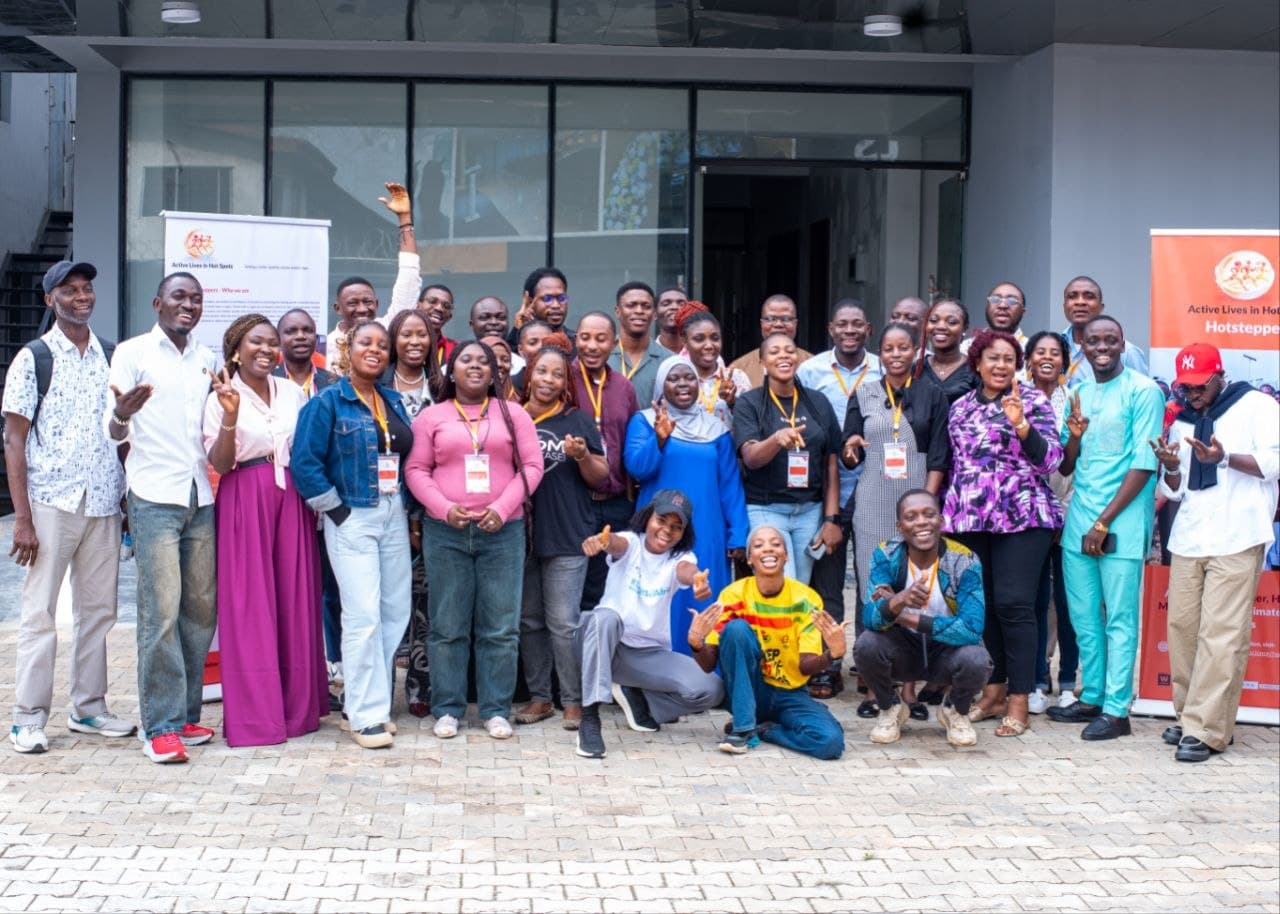
Climate and health experts have conducted a three-day Climate and Health Media Workshop in Lagos to improve public understanding of the health risks associated with rising temperatures. Organised under the Active Lives in Hot Spots (Hotsteppers) Project, the training targeted journalists, broadcasters, and digital storytellers to better report on extreme heat, air quality, and urban health.
The initiative forms part of a broader three-year research and action project investigating how extreme heat affects the health, mobility, and productivity of residents across 10 selected communities in Lagos State. Experts noted that while flooding often dominates climate discussions, extreme heat remains a significant but overlooked public health emergency.

When people hear climate change, they immediately think about flooding or pollution. But heat is one of the invisible crises we must begin to report because its impacts on health are real and increasing.
— Abimbola Badejo, Communications Lead, Hotsteppers Project
The workshop highlighted that prolonged exposure to extreme heat contributes to heat stress, dehydration, cardiovascular diseases, and declining productivity. This risk is particularly acute in Lagos, where approximately 40 per cent of trips are made on foot or by bicycle. Outdoor workers, traders, pregnant women, and residents of informal settlements were identified as the most vulnerable populations.
The Hotsteppers Project, funded by the Wellcome Trust, is led by Professor Tolullah Oni of the University of Cambridge and Professor Peter Elias of the University of Lagos. The research aims to map existing cooling infrastructure and identify low-cost interventions to reduce heat exposure, particularly for those relying on public transportation and active travel.
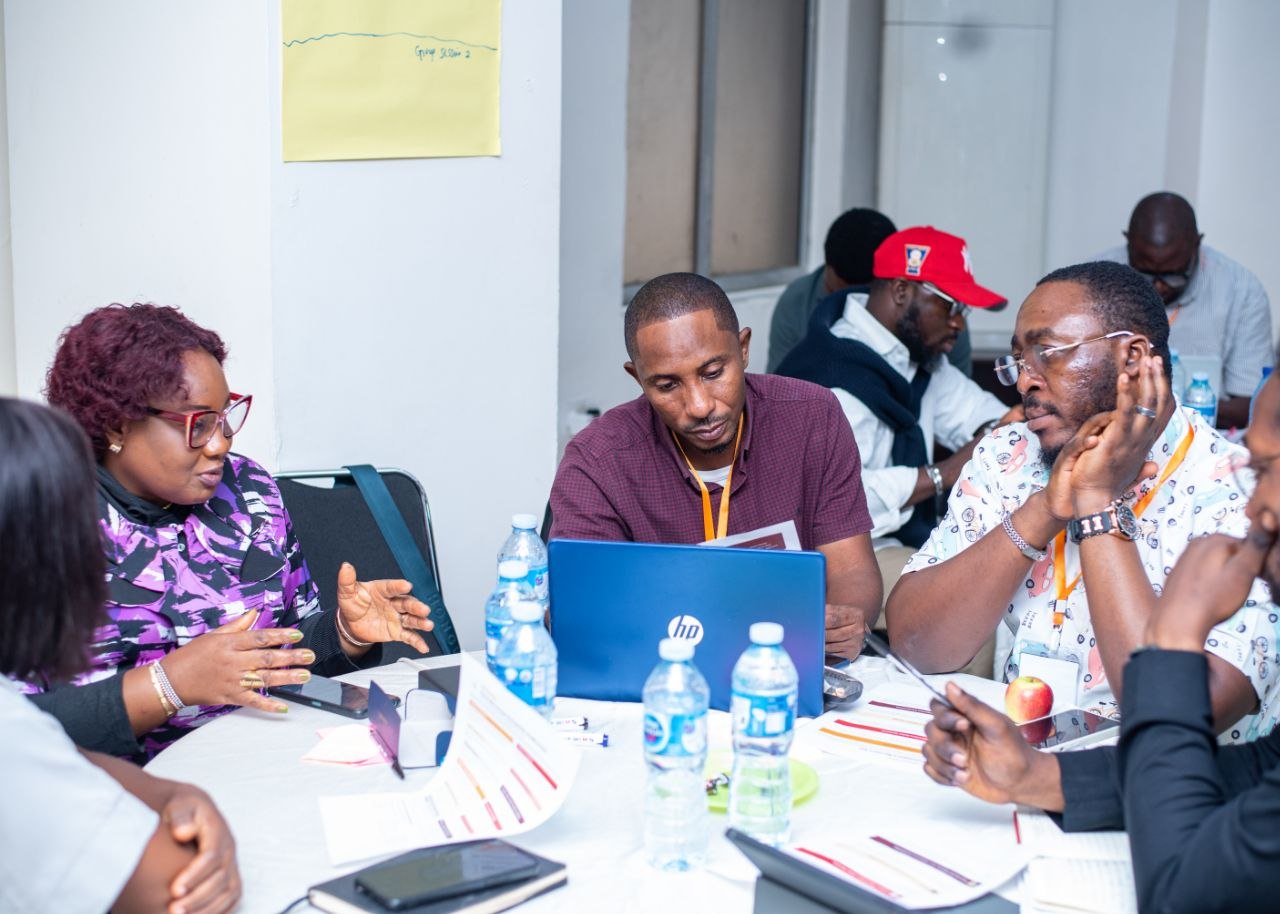
People simply say, ‘It is hot.’ But it is much more than that. Heat is a public health risk, and understanding that is one of the objectives of this training.
— Abimbola Badejo, Communications Lead, Hotsteppers Project
Researchers are utilizing Geographic Information Systems (GIS), satellite imagery, and thermal mapping to pinpoint the areas most vulnerable to extreme heat. Preliminary assessments of over 1,200 Bus Rapid Transit (BRT) facilities in areas like Ojota, Oshodi, and Yaba reveal that transport corridors dominated by concrete and asphalt, with limited tree cover, record significantly higher temperatures and expose commuters to greater thermal stress.
Findings from the study will be shared with the Lagos Metropolitan Area Transport Authority (LAMATA) to inform infrastructure planning. The project also involves the following research components:
To ensure sustained coverage of these issues, the organisers announced the establishment of the Hotsteppers Media Network. This platform will provide journalists with continued access to research findings, datasets, and specialized training throughout the project’s lifespan. The goal is to move toward solutions journalism, examining the effectiveness of interventions and amplifying the experiences of affected communities.
This training doesn’t end here. We are creating a repeatable engagement cycle that supports media partners throughout the project from evidence generation to policy impact.
— Olamide Udoma-Ejorh, Organizer, Hotsteppers Project
Lagos State officials indicated that the research would complement the state's existing climate resilience strategy. Titilayo Oshodi, Special Adviser to the Governor on Climate Change and Circular Economy, urged the research team to align its work with ongoing government programmes to ensure the findings lead to long-term policy reforms and scalable solutions for rapidly urbanising cities.