Story
Loading the latest story
Please wait while the article is prepared.
Loading article content…
Loading article content…
Story
Please wait while the article is prepared.
Loading article content…
Loading article content…

Business
Nigeria’s headline inflation rate has reached a new peak, prompting the Central Bank of Nigeria to signal further monetary tightening measures to stabilize the economy. The persistent rise in the cost of living continues to impact household spending and the operational viability of small businesses nationwide.
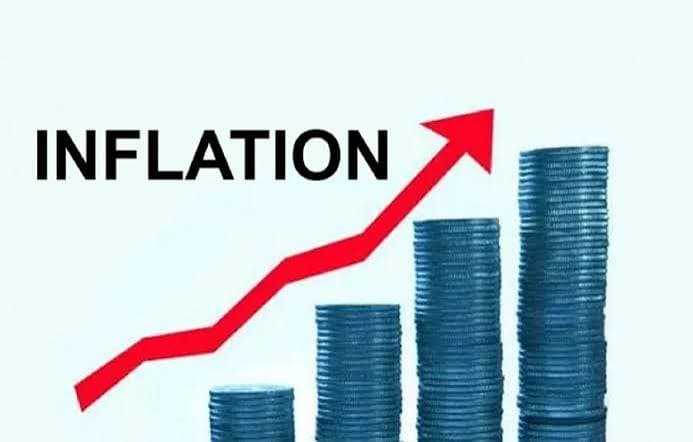
The National Bureau of Statistics (NBS) has released its latest report indicating that Nigeria’s annual inflation rate has climbed to a new peak, driven largely by the soaring costs of food, transportation, and energy. This upward trajectory continues to erode the purchasing power of citizens, with the Consumer Price Index reflecting significant increases across both urban and rural geographies.
Financial analysts point to the persistent depreciation of the Naira and high logistics costs as primary drivers of the current trend. As the prices of essential commodities rise, households are being forced to reallocate their diminishing resources, often at the expense of non-essential services and savings.
In a strategic move to curb the liquidity surfeit and stabilize the currency, the Central Bank of Nigeria (CBN) has indicated that the Monetary Policy Committee (MPC) may consider further hikes to the interest rate. The Governor of the Central Bank emphasized that while these measures are stringent, they are necessary to anchor inflation expectations and restore investor confidence.
Our primary mandate remains price stability. We are closely monitoring the inflationary trends and will not hesitate to deploy all necessary monetary tools to ensure that we bring the inflation rate down to a manageable level in the medium term.
— Olayemi Cardoso, Governor, Central Bank of Nigeria
The Governor further noted that the bank is working in coordination with fiscal authorities to ensure that monetary policies are complemented by measures that address structural bottlenecks in the economy, particularly in the agricultural and energy sectors.
The manufacturing and small business sectors have expressed growing concern over the rising cost of credit. With interest rates already at significant highs, entrepreneurs argue that further hikes could stifle productivity and lead to increased unemployment if businesses can no longer afford to service their loans or fund expansion.
Industry stakeholders are calling for targeted interventions to protect the real sector from the full impact of the tightening cycle. There is a consensus among business leaders that while inflation must be tackled, the pace of interest rate adjustments must be balanced against the need to maintain industrial growth and economic stability.