Story
Loading the latest story
Please wait while the article is prepared.
Loading article content…
Loading article content…
Story
Please wait while the article is prepared.
Loading article content…
Loading article content…

Business
Nigerian entrepreneur and investor Chima Anyaso used a keynote address at the University of Derby to challenge global financial institutions to move beyond outdated perceptions of Africa and deliver capital access on terms that reflect economic reality - not risk assumptions built on bias.
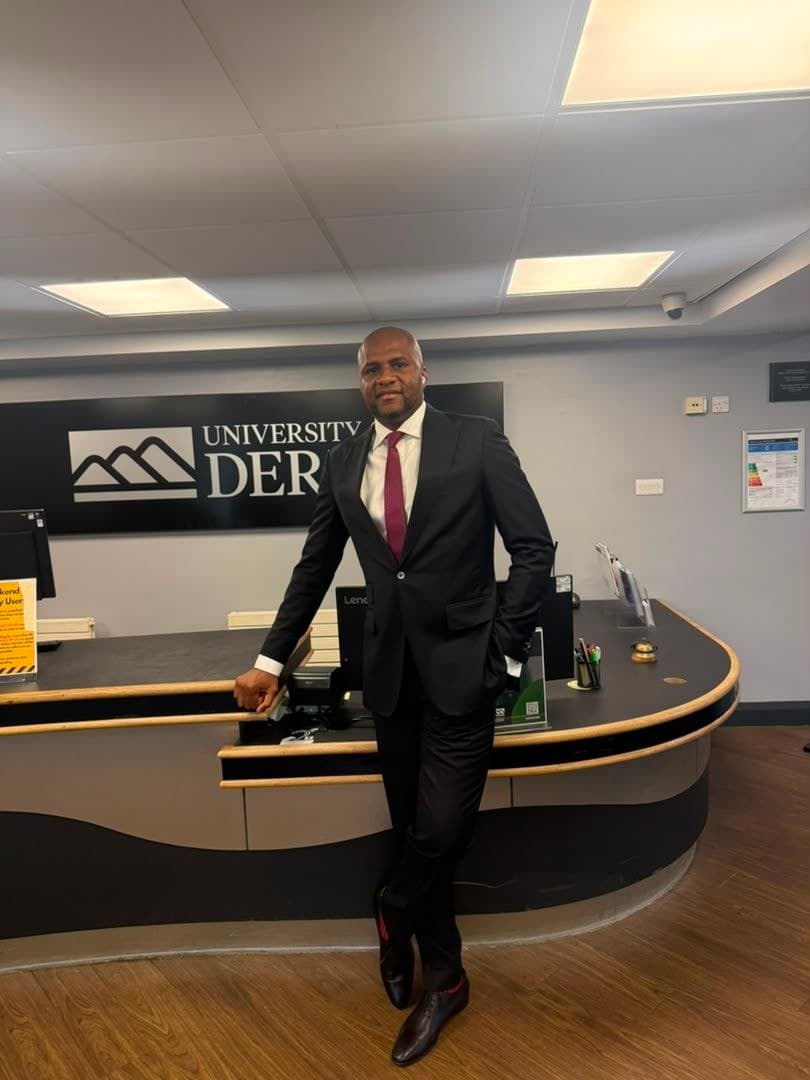
When Chima Anyaso stood before an audience of scholars, legal minds, policymakers and members of the African diaspora at the University of Derby in the United Kingdom, he was not merely delivering a keynote speech. He was issuing a challenge to a global financial system he believes has, for too long, misunderstood Africa. Speaking on the theme "From Rule of Law to Rule of Justice: Reimagining Global Finance for Africa's Rise," he urged the international community to look beyond established financial conventions and ask a deeper question: are the rules of global finance truly delivering fair outcomes?
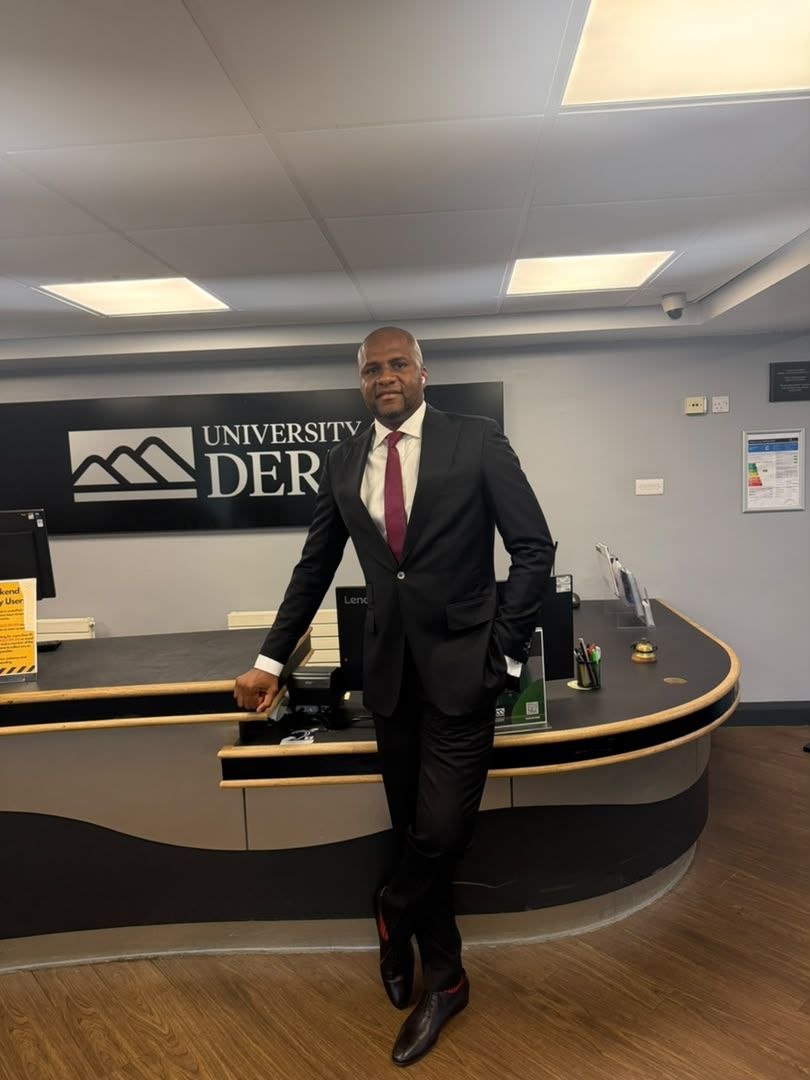
Anyaso's argument was not built on theory alone - it was deeply personal. He recalled a defining moment in his entrepreneurial journey when a Nigerian financial institution extended a $35 million trading facility to his company, opening doors to partnerships with some of the world's leading commodity traders and energy companies. The experience crystallised a lesson he has carried since.
Africa is not short of ideas, talent, ambition, or resources. What Africa has often lacked is fair access to the scale of capital needed to unlock its full potential.
— Chima Anyaso, Entrepreneur and Investor
The irony, Anyaso noted, is difficult to ignore. Africa possesses more than six trillion dollars' worth of untapped mineral resources - many essential to the global energy transition - and is home to some of the world's fastest-growing populations and emerging markets. Yet many African countries continue to pay some of the highest borrowing costs anywhere in the world. He pointed to Zambia's prolonged debt restructuring, Ghana's debt challenges despite years of economic reforms, and widespread credit-rating downgrades across the continent during the COVID-19 pandemic as evidence of a troubling pattern in which assumptions about Africa frequently outweigh objective assessments of economic performance and repayment records.
Africa needs access to capital on terms that reflect reality rather than perception. If the world truly wants shared prosperity and sustainable development, then we must ensure that our financial systems consistently deliver justice.
— Chima Anyaso
At the centre of Anyaso's address was a philosophical distinction that resonated strongly with his audience. He argued that technical compliance with existing financial rules is insufficient if those rules consistently produce unfair outcomes for developing economies. For him, Africa's development challenge is not simply an economic issue - it is a question of justice. That means rethinking how risk is assessed, how borrowing costs are determined and how financial institutions evaluate emerging economies.
He also reserved a challenge for African scholars, professionals and diaspora members, urging them to become active participants in reshaping global narratives about the continent - through evidence-based advocacy, intellectual leadership and a willingness to question assumptions deeply embedded in international financial systems. His call was not for special treatment or sympathy, but for equal opportunity.
Those familiar with Anyaso's work say the message reflects a broader commitment that has defined much of his career - supporting youth empowerment, enterprise development and education across Africa. His appearance at the University of Derby was part of a larger mission to advocate for an Africa viewed not as a recipient of aid but as a partner in global prosperity. The question now, as many attendees noted after his address, is whether the institutions that shape global finance are willing to listen.