Story
Loading the latest story
Please wait while the article is prepared.
Loading article content…
Loading article content…
Story
Please wait while the article is prepared.
Loading article content…
Loading article content…

Health
The family of Olatunde Joseph Ojelabi is demanding accountability following his death after a road accident and alleged medical delays at the Lagos State University Teaching Hospital. The 46-year-old’s passing has raised critical questions regarding emergency healthcare protocols and the institutional response to trauma victims.
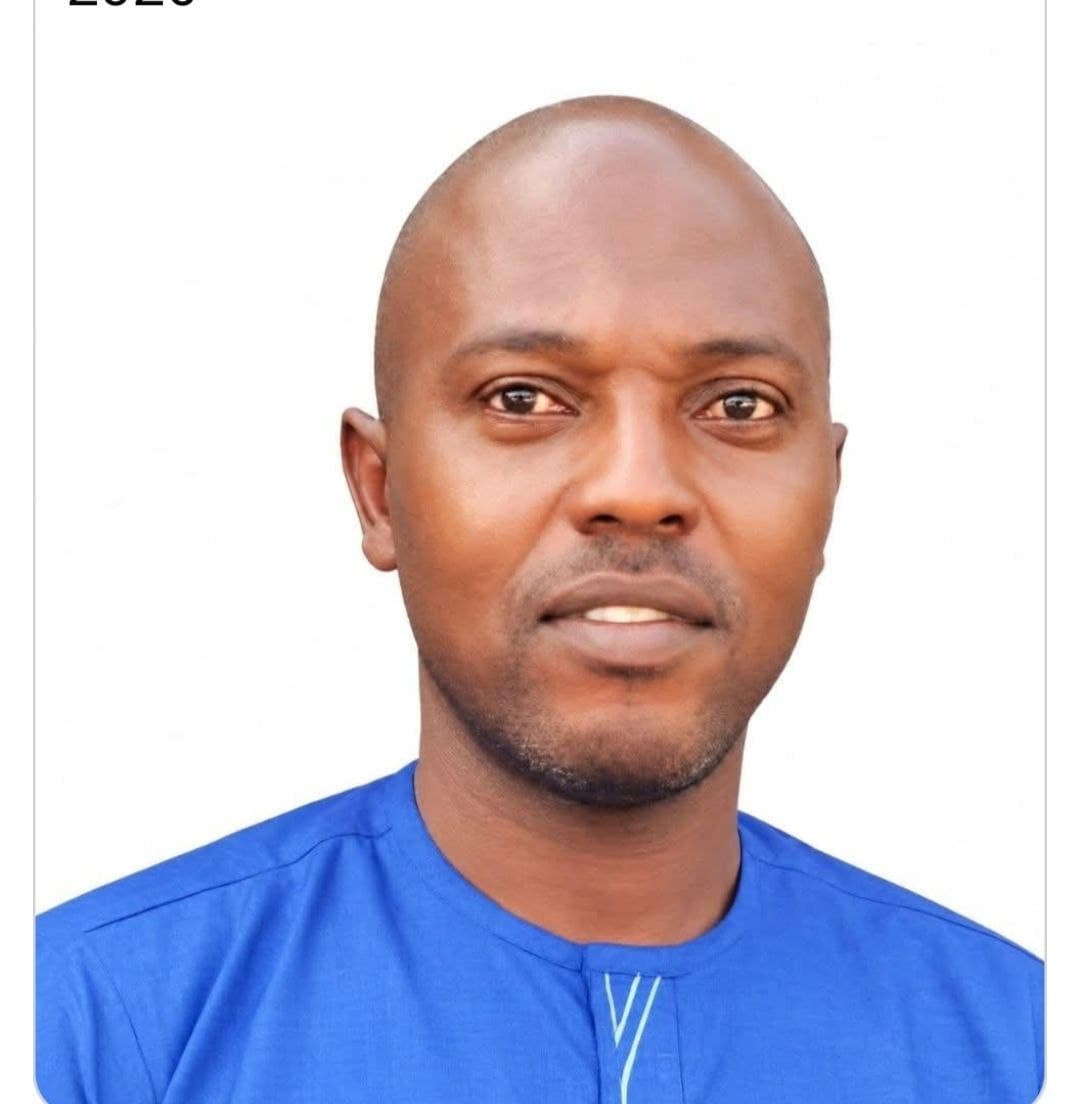
September 6, 2026, began as an ordinary Sunday for 46-year-old Olatunde Joseph Ojelabi. He was behind the wheel, driving his family to church for a thanksgiving service while anticipating his upcoming birthday the following day. However, the journey was cut short on Ijegun Road, Ikotun, Lagos, when a commercial tricycle, popularly known as a Keke Marwa, made an abrupt turn in the middle of the road.
In an instinctive attempt to avoid a collision, Olatunde swerved his vehicle and crashed into a stationary car. The impact was devastating. Although the airbags deployed, the force of the collision caused the steering wheel to strike Olatunde’s face, resulting in severe injuries. He was initially rushed to a nearby private hospital, but the severity of his condition necessitated an immediate referral to the Lagos State University Teaching Hospital (LASUTH).
Olatunde arrived at the Medical Emergency Unit of LASUTH before 9 a.m., still alive and fighting for survival. However, his brother, Kolawole Ojelabi, alleged that instead of receiving immediate trauma care, Olatunde was left outside the emergency ward for over six hours because the medical team on duty claimed there was no bed available. During this period of waiting, Olatunde’s condition worsened significantly, leading to convulsions and a cardiac arrest.
Kolawole described a series of distressing interactions with hospital personnel during the crisis. He alleged that the family was instructed to purchase a plastic bucket, towel, and detergent to clean up the patient’s blood from the hospital floor. Furthermore, he claimed that medical staff told him to personally visit the Intensive Care Unit (ICU) to verify if a bed space was available for his brother.
I found it difficult to comprehend that, in the midst of a life-threatening medical emergency, the family of the injured patient was being asked to concern itself with cleaning the floor.
— Kolawole Ojelabi, Brother of the deceased
I was aghast.
— Kolawole Ojelabi, Brother of the deceased
September 7 arrived, marking Olatunde’s 46th birthday. Rather than a day of family celebration and thanksgiving, it became a desperate vigil. Olatunde lay unconscious in the ICU following a tracheostomy—a surgical procedure to create an airway—and resuscitation efforts after his cardiac arrest. The family remained by his bedside, navigating a system they felt was characterized by poor communication and mounting costs.
Kolawole acknowledged that while numerous medical investigations were conducted, the family often felt left in the dark regarding the treatment strategy and the purpose of expensive medications. It took the intervention of a senior doctor to eventually provide the family with a formal briefing on Olatunde’s status, which remained critical despite the interventions.
He is still critically ill.
— Senior Doctor, Lagos State University Teaching Hospital (LASUTH)
Olatunde Joseph Ojelabi passed away on September 12, 2026, six days after the accident. His death has prompted his family to seek a formal review of the circumstances surrounding his care. They are calling on the Lagos State Government, LASUTH management, and healthcare regulators to examine the timeline of events to determine if the alleged delays and the "no bed" syndrome contributed to the fatal outcome.
Kolawole insists that the family’s quest for answers is about more than just personal grief; it is about ensuring that the emergency healthcare system values human life. The family hopes that by establishing the facts, they can prompt necessary reforms to ensure that future trauma victims who arrive at public hospitals alive are given every possible chance to survive.
This is not merely about our grief. It is about accountability. It is about the value placed on human life. It is about what happens to an injured Nigerian who arrives at a major public hospital requiring emergency care.
— Kolawole Ojelabi, Brother of the deceased