Faith · Community
Faith in action: LDS Church members take service to communities across Lagos, Ogun
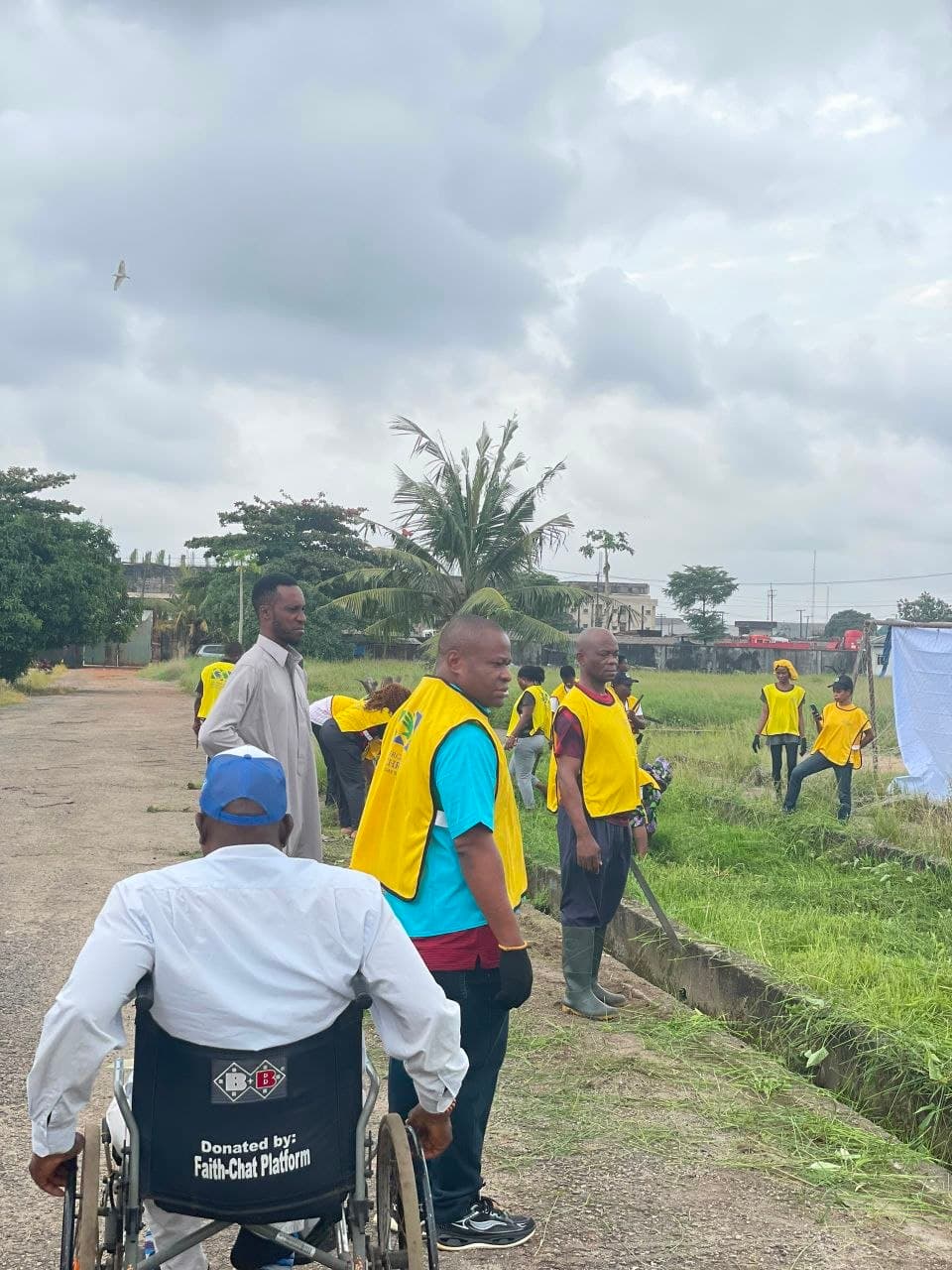
Regional impact of the All-Africa Service Project
In communities across Lagos and Ogun states on Saturday, faith took a practical form as members of The Church of Jesus Christ of Latter-day Saints stepped out of their places of worship to clean public facilities, paint schools and health centres, donate blood, and fumigate a police station. The exercise, which formed part of the 2026 All-Africa Service Project (AASP), saw members and friends of the Church volunteer their time, energy, and personal resources to address identified needs in their immediate communities.
From Badore in Ajah to Amuwo-Odofin, Yaba, Shimawa, and Ewuntuntun, the message was the same: service to humanity should not remain a religious teaching but must translate into tangible acts that improve the lives of others. The annual initiative, held every August, is one of the Church's major community-service programmes across Africa, bringing members together to contribute to the development and well-being of communities around them.
Specific interventions were tailored to the needs of each locality. At Badore, Ajah, members of the Lekki Stake cleaned and painted a health centre, while in Amuwo-Odofin, Festac Stake members partnered with Clarion Care Home and Senior Living to paint a health centre and clear the premises of the Spinal Cord Injury Association of Nigeria (SCIAN). In Yaba, members partnered with the Lagos University Teaching Hospital (LUTH) for a blood donation exercise, and in Ewuntuntun, they fumigated the Makinde Police Station.
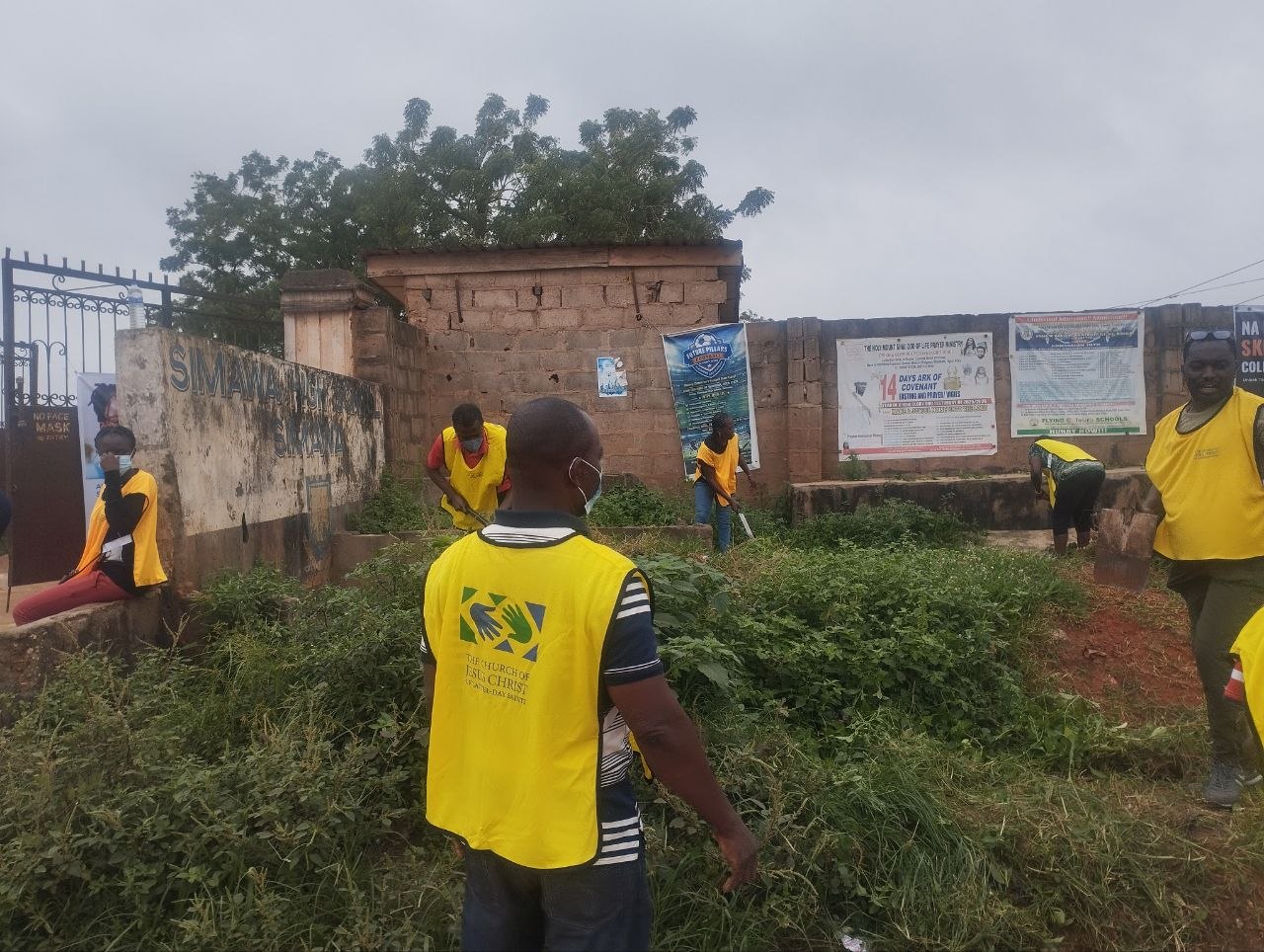
Faith manifested through community labor
For the volunteers, the exercise was more than cleaning, painting, or donating blood; it was an expression of their faith. Speaking during the exercise at Shimawa, where members undertook environmental sanitation at the roundabout and refurbished the local health centre and Shimawa High School, Chibueze Ohaegbulem emphasized the Church's commitment to serving communities without discrimination.
It's a volunteer thing that we do. Members of the Church, from their own resources, come to do the work. They volunteer their time and their resources to come and do it in the community where they are staying.
— Chibueze Ohaegbulem, First Counselor in the Mowe Ward Bishopric, Ojodu Stake, The Church of Jesus Christ of Latter-day Saints
Ohaegbulem noted that Shimawa was selected after the Church identified areas where intervention was needed. The exercise was also aimed at encouraging residents to embrace cleanliness, healthy living, and collective responsibility. He reiterated the core belief that when one is in the service of their fellow human beings, they are in the service of God.
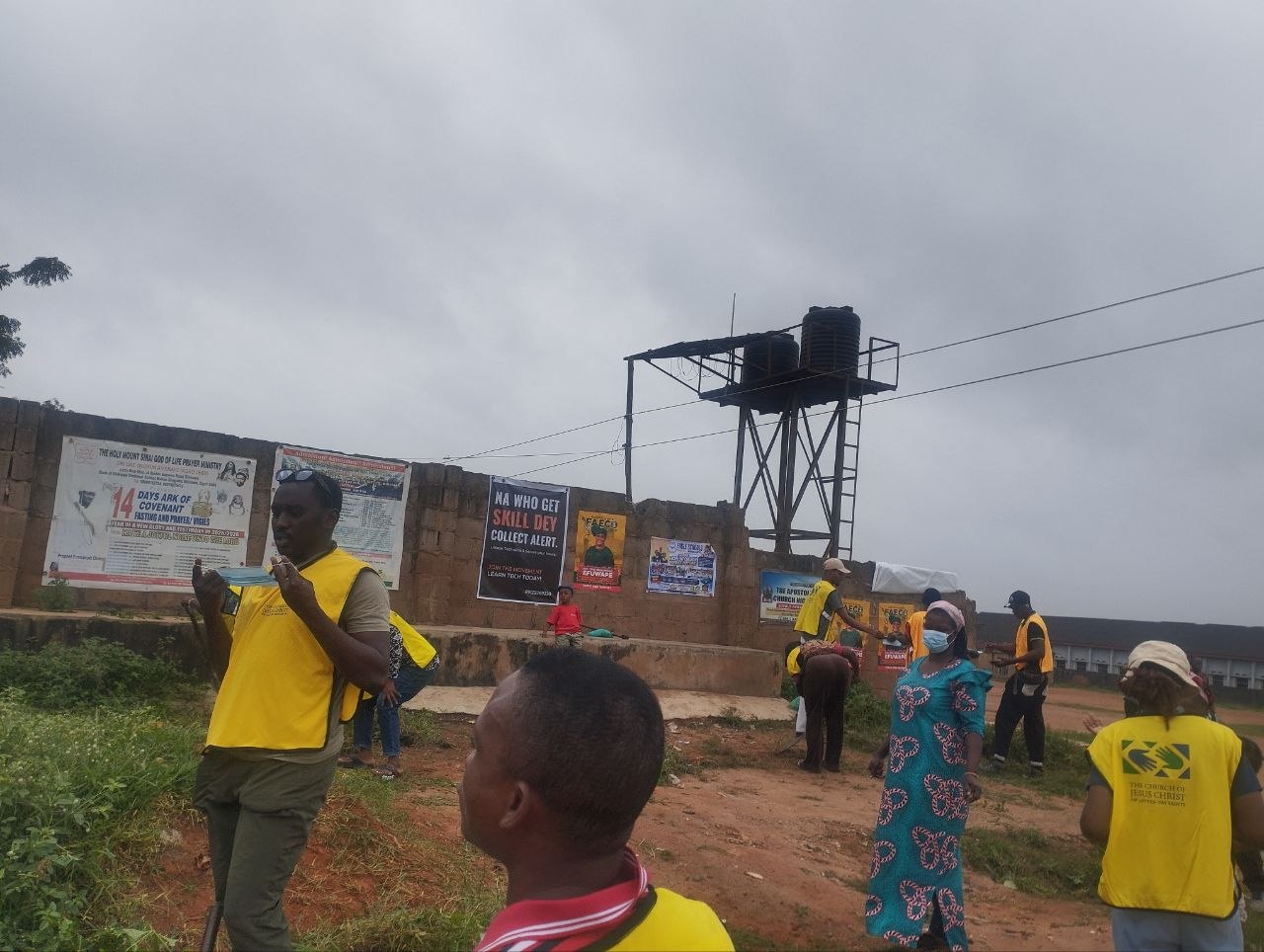
Leadership and the example of religious service
President Ugochukwu Nwaelele, President of Festac Stake, noted that the AASP provided an opportunity for members to put the teachings of Jesus Christ into action. He explained that members turned out in large numbers to support the SCIAN centre in Amuwo-Odofin, clearing overgrown vegetation to reduce the risk of rodents and improve the environment for the facility's inhabitants.
Similarly, Stake President Osadiaye Osamuyimen described the AASP as a yearly opportunity for members across Africa to look inward and respond to pressing needs through voluntary service. After an assessment of Shimawa, the local health centre, school, and roundabout were selected for improvement to better serve the residents.
We are trying to achieve what the Saviour lived when He was on Earth. He taught us the path. He's the perfect example for this. So we are just trying to follow the Saviour's example by serving our immediate community.
— Osadiaye Osamuyimen, Stake President, Lagos Nigeria Ojodu Stake, The Church of Jesus Christ of Latter-day Saints
A growing tradition of volunteerism across Africa
The All-Africa Service Project was established in 2006 to bring members and friends of the Church together to serve and improve communities across the continent. By 2009, it had developed into a significant Africa-wide initiative, with participants in more than 30 countries undertaking projects ranging from road repairs and drainage clearing to tree planting and assistance to hospitals.
For the volunteers who participated in this year's edition, the value of the exercise was measured by the message left behind—that communities can become better when individuals are willing to give their time, skills, and resources for the common good. In the different locations across Lagos and Ogun, the AASP once again turned religious principles into visible action, demonstrating how simple acts can foster community development.