Story
Loading the latest story
Please wait while the article is prepared.
Loading article content…
Loading article content…
Story
Please wait while the article is prepared.
Loading article content…
Loading article content…

Security
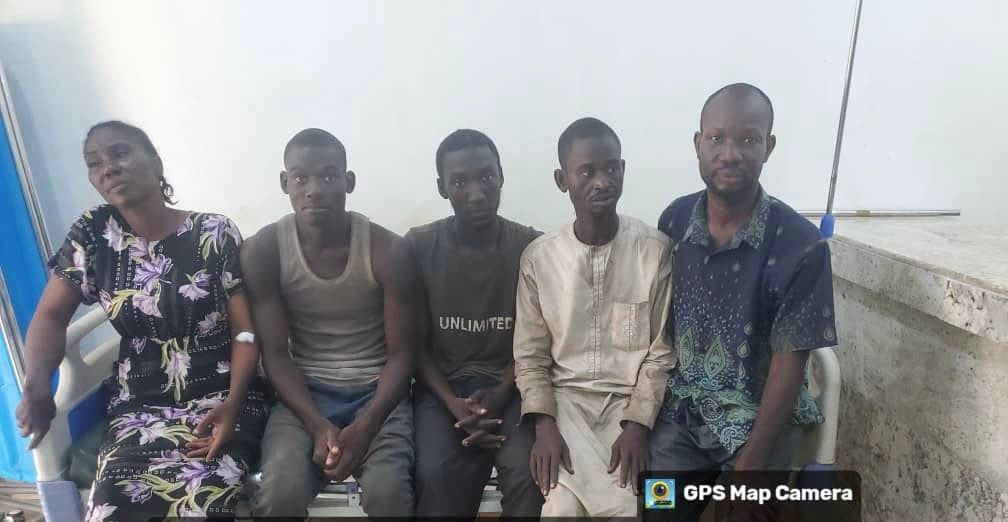
Five travellers kidnapped from an Abuja-Lagos night bus walked free after 17 days in captivity when relentless Nigerian Army air and ground operations in Kogi's forests forced fleeing bandits to abandon their captives.
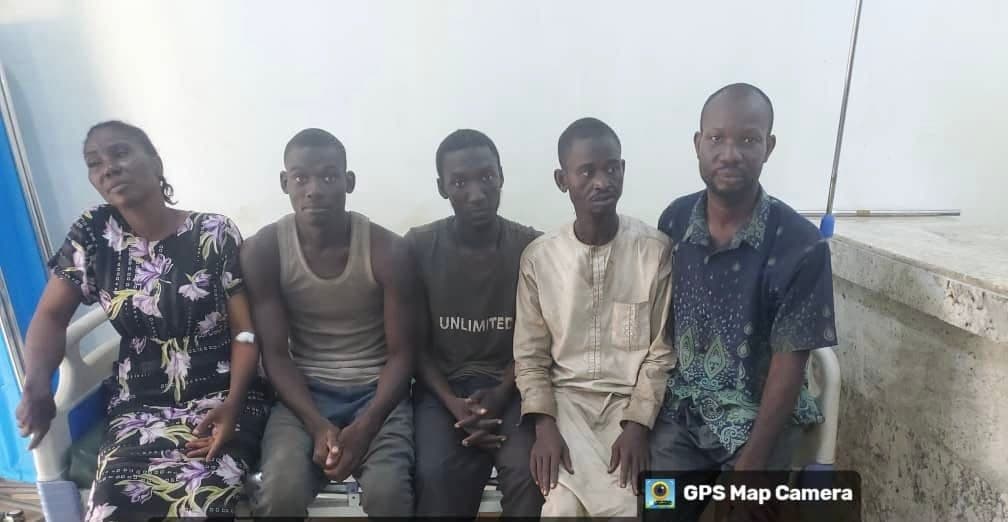
For 17 agonising days, hope seemed like a distant dream for John Luna and 27 other kidnapped travellers held deep inside the forests of Kogi State. Forced to herd cattle for heavily armed bandits, the captives endured hunger, exhaustion and the constant threat of death after being snatched from a night bus travelling from Abuja to Lagos. But on Tuesday, June 17, their nightmare ended when the thunderous sound of military helicopters overhead and the sustained advance of troops on the ground forced their captors into a desperate retreat, abandoning some of their captives in a bid to save themselves.
The security agency came where we were. The bandits dropped us and left because of pressure from the troops.
— John Luna, Rescued Victim
To the glory of God, we survived.
— Eunice Fedrick, Rescued Victim
What began as an ordinary overnight journey turned into a terrifying ordeal in the early hours of June 1, when armed bandits intercepted the bus and dragged dozens of travellers into the wilderness. For more than two weeks, the captives disappeared into a world far removed from civilisation while family members waited anxiously for news. According to the survivors, 28 people were held in captivity and compelled to perform labour, including herding cattle for their abductors.
The breakthrough came as troops of the Nigerian Army's 12 Brigade under the 2 Division intensified counter-terrorism operations across Kogi's forested areas. According to Commanding Officer of the 126 Battalion, Lt. Col. Francis Nwoffiah, troops from the Forward Operating Base, Oshokoshoko, launched a blocking operation along the Oshokoshoko-Adankolo route within the Adankolo Forest, following coordinated air interdiction missions targeting bandit camps within Agbede Forest, particularly the Danguntu camp in Kabba-Bunu LGA.
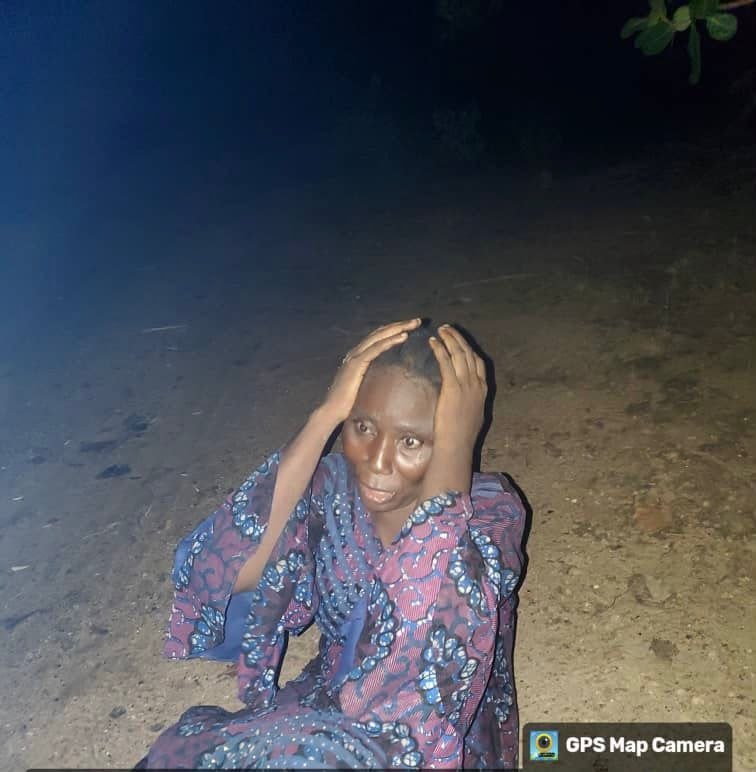
Unable to move with all their captives, they abandoned some of them, which allowed the captives to take advantage and move away.
— Lt. Col. Francis Nwoffiah, Commanding Officer, 126 Battalion
Military authorities say the rescue is part of a broader offensive that has significantly weakened criminal networks operating within Kogi State. Nwoffiah disclosed that notorious bandit leader Battijo, who had held the captives, was recently neutralised alongside his lieutenant, Issa, while another key criminal figure, Maidawa, had earlier been eliminated in the Isanlu-Esa axis.
We have degraded major criminal networks terrorising Kogi. There is a new team in place, and the Army message to bandits and other criminals is simple: quit or face your Waterloo.
— Lt. Col. Francis Nwoffiah
On behalf of the Commander, 12 Brigade, Brig. Gen. Kasim Umar Sidi, Nwoffiah assured residents that troops would continue offensive operations until all criminal hideouts are dismantled. While the rescued victims may have regained their freedom, the journey to full recovery has only just begun, with doctors and healthcare workers at the 12 Brigade Medical Centre attending to their medical and psychological needs.
The state government will cover all health bills until they are fully recovered and reunited with their families.
— Dr. Austin Ojotule, State Epidemiologist, Kogi State
The rescue has been welcomed by the Kogi State Government as evidence that sustained collaboration among security agencies is yielding results. Commissioner for Information Kingsley Fanwo described the operation as another major breakthrough in the fight against terrorism and banditry, noting that coordinated air and ground operations around Iluke Bunu and adjoining forest corridors had led to the destruction of criminal camps and the rescue of several captives. He praised the Nigerian Army, Nigerian Air Force, Police, DSS, NSCDC, local vigilantes and hunters, while also acknowledging the support of President Bola Tinubu, National Security Adviser Nuhu Ribadu and other service chiefs.
For the five rescued victims, the operation means something more personal than military statistics or security reports - a second chance at life, a return home to anxious families, and after 17 days in the grip of terror, the rediscovery of a freedom they once feared they might never see again.