Story
Loading the latest story
Please wait while the article is prepared.
Loading article content…
Loading article content…
Story
Please wait while the article is prepared.
Loading article content…
Loading article content…

Business
The 4th Ehingbeti Blue Economy Hub is set to address regulatory gaps and maritime insecurity as major barriers to investment and job creation in Nigeria’s coastal regions.
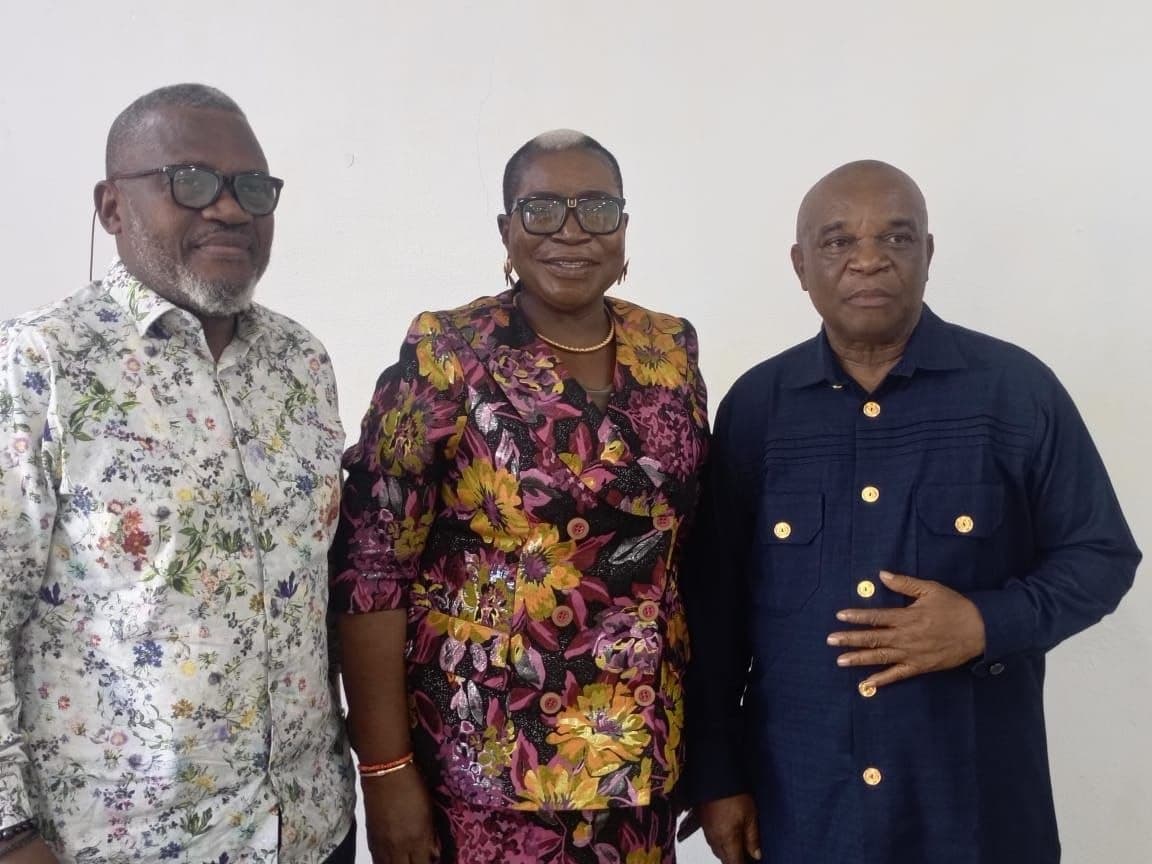
The 4th Ehingbeti Blue Economy Hub will focus on weak regulatory frameworks and maritime insecurity as primary obstacles to investment, coastal development, and job creation within Nigeria’s emerging blue economy. The forum, themed “Securing Nigeria’s Blue Economy: Need to Strengthen Regulatory and Maritime Framework for Sustainable Coastal Development,” is scheduled to take place on September 17, 2026, at the Lagos Oriental Hotel.
Hon. Mukhtar Shehu Shagari, Chairman of the Governing Board of the National Inland Waterways Authority (NIWA), will chair the event, while the Minister of Marine and Blue Economy, Dr. Adegboyega Oyetola, will serve as the Special Guest of Honour. The principal speakers include Chief (Mrs.) Jean Chiazor Anishere, SAN, President of the Maritime Arbitrators Association of Nigeria (MAAN), and Capt. Warredi Enisuoh, Executive Director of Technical and Operations at Tantita Security Services Nigeria Limited.
Speaking ahead of the event, the Convener of the hub and Founder of the Ocean Ambassadors Foundation (OAF), Hon. Olaitan Williams, stated that Nigeria would struggle to fully harness its economic potential unless coastal communities are deliberately integrated into development policies and investment plans. She noted that the historical development of Lagos itself demonstrates the enormous maritime potential embedded in these indigenous settlements.
According to Williams, Ehingbeti is an indigenous coastal settlement that predates modern Lagos and historically reflects the maritime ingenuity of its people. She recalled the former Floating Bukka, a floating restaurant on the waterways, as an example of the area's evolution which eventually contributed to the development of major maritime locations such as Apapa, Tin Can Island, and the Marina.
A central theme of the upcoming forum is the link between security and financial viability. Williams warned that insecurity on the waterways could undermine investment, particularly as banks and other financial institutions may be reluctant to finance inland waterways and coastal projects without adequate security guarantees.
The low-hanging fruits of the blue economy are 100 percent from the coast.
— Hon. Olaitan Williams, Convener, Ocean Ambassadors Foundation
The convener further linked maritime insecurity to the socio-economic conditions in coastal communities. She noted that these community members are often the first responders during boat accidents and emergencies, yet they remain vulnerable to being recruited into maritime crimes if not properly integrated into the formal economy.
The forum will also address the issue of illegal, unreported, and unregulated (IUU) fishing, which requires urgent attention and stronger legal backing. Williams emphasized that Nigeria must protect its fisheries and natural assets from exploitation by foreign operators to ensure these resources provide significant economic opportunities for the country.
To unlock the full potential of the sector, the hub will advocate for harnessing the skills of traditional maritime operators, including: - Traditional boat builders and repairers - Local divers and maritime artisans - Indigenous logistics and transportation providers - Small-scale fisheries and rural aquaculture operators
Williams called for stronger collaboration among government agencies, investors, and insurance companies to enhance investor confidence. She concluded that the Ehingbeti Blue Economy Hub aims to provide a blueprint for sustainable development, ensuring that coastal communities become active beneficiaries of Nigeria's maritime expansion.