Story
Loading the latest story
Please wait while the article is prepared.
Loading article content…
Loading article content…
Story
Please wait while the article is prepared.
Loading article content…
Loading article content…

Community
Residents and business owners in Badagry have protested against prolonged power outages and excessive estimated billing, warning that the energy crisis is forcing commercial activities to relocate.
For many residents of Badagry, electricity has become more of a promise than a service. Days without power have become routine, yet monthly bills continue to arrive, leaving families and business owners paying heavily for electricity they say they hardly receive.
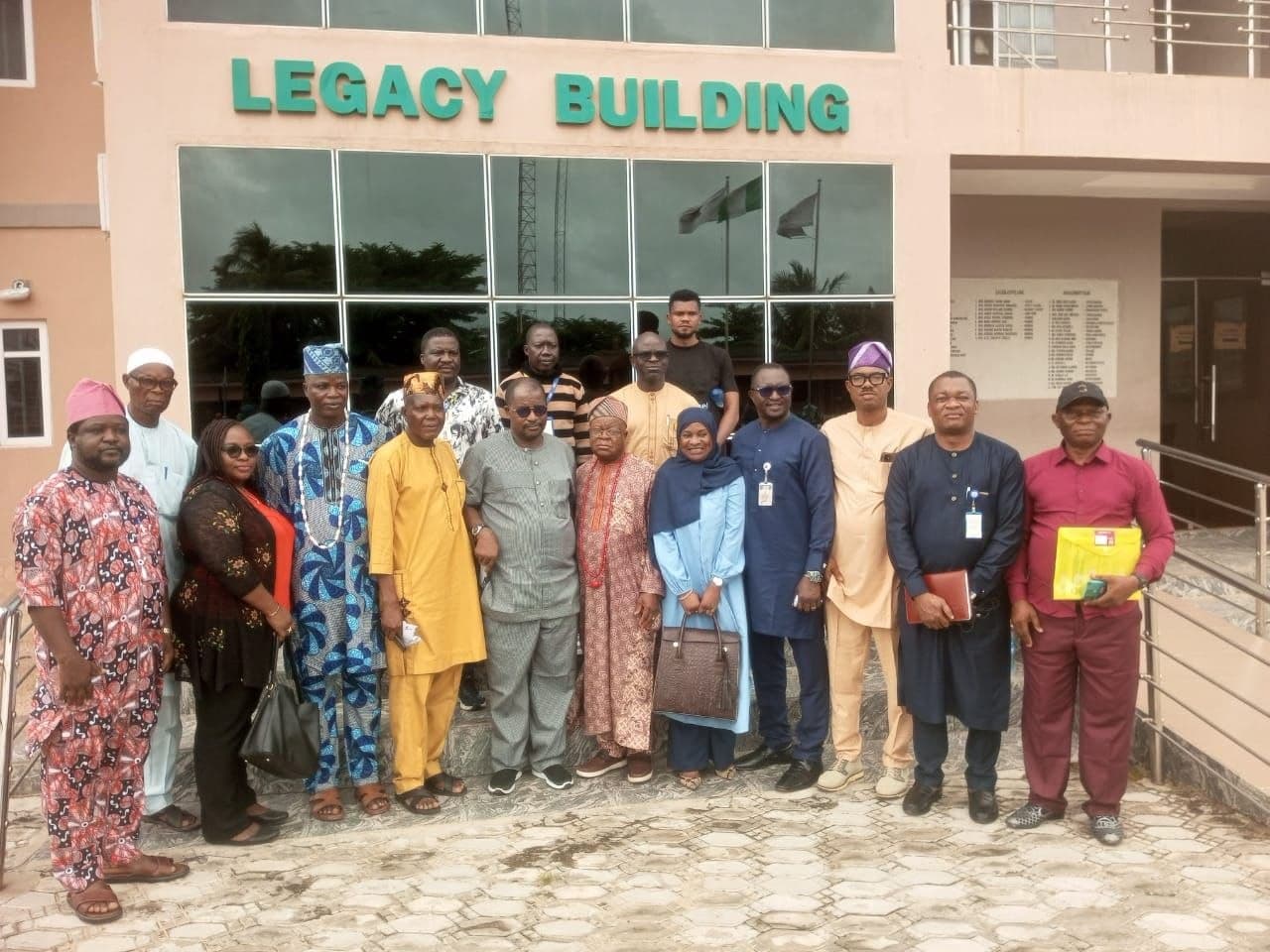
The frustration boiled over on Thursday as residents staged a protest during an electricity summit and town hall meeting with the management of the Eko Electricity Distribution Company (EKEDC). Held at the Badagry Local Government Secretariat in Ajara, the meeting brought together consumers from the three councils in Badagry who demanded improved power supply, an end to estimated billing, and the immediate deployment of prepaid meters.
The unreliable electricity supply has disrupted livelihoods and significantly increased the cost of living. Speaking on behalf of the community, the Depegan of Badagry, Chief Tunde Giro, described the situation as unfair, noting that while neighboring Agbara enjoys relatively stable electricity, Badagry remains in darkness.
While Agbara and its environs are enjoying uninterrupted electricity supply, we in Badagry are in darkness. We have applied for prepaid meters but many of us have not been given, even after some residents paid almost N150,000.
— Chief Tunde Giro, Depegan of Badagry, Badagry Community
For traders and small business owners, the consequences have gone beyond mere inconvenience. Mr. Eze Bassey, a local trader, noted that the erratic supply has forced several businesses to relocate to Agbara. Despite experiencing several days without power, many traders continue to receive estimated monthly bills ranging from N25,000 to N35,000, placing an unbearable burden on entrepreneurs struggling with rising operating costs.
Beyond the lack of supply, residents also narrated frustrations with faulty metering infrastructure. Mr. Segun Hundeyin, a resident of Olorunda LCDA, alleged that two prepaid meters installed on his premises have remained faulty since 2024, preventing him from accurately monitoring his electricity consumption.
Similarly, Mr. Jacob Setonji, an engineer, appealed to EKEDC to ensure that consumers in Badagry receive fair treatment comparable to customers in other parts of its franchise area. The community remains concerned that even when meters are provided, maintenance and technical support remain insufficient.
Responding to the concerns, EKEDC’s Head of Distribution Operations, Mr. Henry Ukoh, acknowledged the challenges and assured residents that the company is working to improve the situation. He stated that prepaid meters would be deployed through both the Federal Government’s free metering program and the Meter Asset Provider (MAP) scheme to reduce dependence on estimated billing.
Ukoh explained that the irregular supply was largely due to increased demand on the Badagry electricity network but assured residents that efforts are ongoing to strengthen the system. Furthermore, the company’s General Manager for Commercial, Mr. Dave Adeniji, addressed the legality of current billing practices.
According to Adeniji, estimated billing for customers without prepaid meters is regulated by the Nigerian Electricity Regulatory Commission (NERC). He emphasized that distribution companies are required to comply with approved billing caps, while the regulator imposes sanctions on operators that violate these guidelines. Despite these assurances, residents maintain that affordable and reliable electricity remains essential for local businesses to survive.