Story
Loading the latest story
Please wait while the article is prepared.
Loading article content…
Loading article content…
Story
Please wait while the article is prepared.
Loading article content…
Loading article content…

Education
Naija Feminists Media and the Global Activists Network have educated 52 female students at Apo Secondary School in Abuja on child marriage, human rights, and digital safety. The outreach aimed to equip young girls with the necessary tools to protect their education and report instances of abuse.
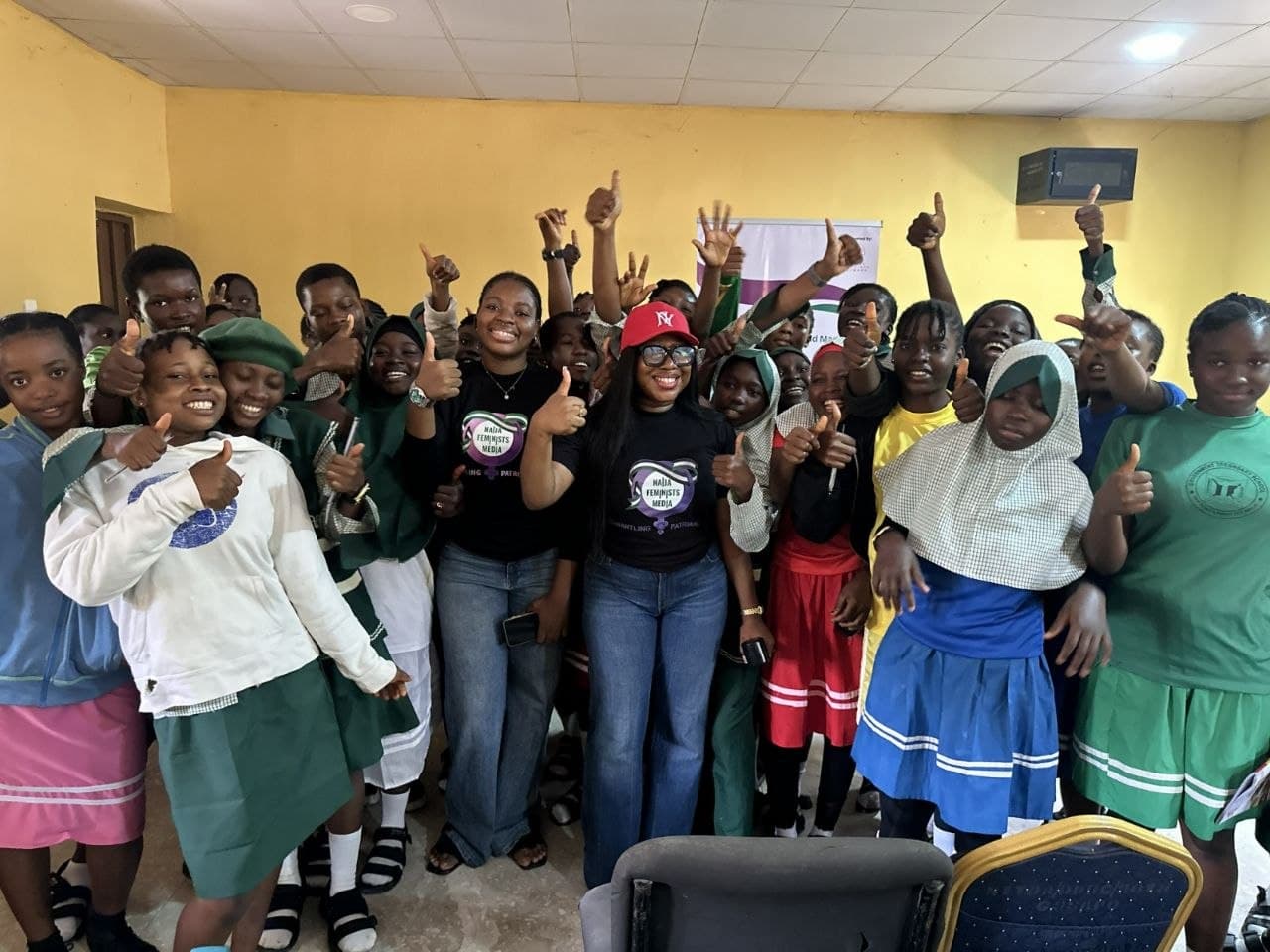
At an age when girls should be concentrating on their education, discovering their talents, and preparing for the future, many remain vulnerable to early marriage—a practice that interrupts schooling, threatens health, and limits life opportunities. To address these challenges, Naija Feminists Media (NFM), with support from the Global Activists Network (GAN), organized an educational outreach at Apo Secondary School in Abuja, training 52 female students on child marriage, girls' rights, and the importance of schooling.
The initiative was organized to commemorate the 2026 International Day of the Girl Child under the theme, “Youth Voices Against Child Marriage: Every Child Deserves Education.” Beyond raising awareness, the workshop focused on helping students identify early risk factors, navigate reporting channels, and take an active role in protecting themselves and their peers from harmful practices.
During the interactive session, facilitators explained the root causes and consequences of early marriage, detailing its long-term impacts on health, personal development, and economic potential. Students were encouraged to recognize unsafe situations, seek assistance from trusted adults, and utilize official reporting channels when their rights or access to education are threatened.
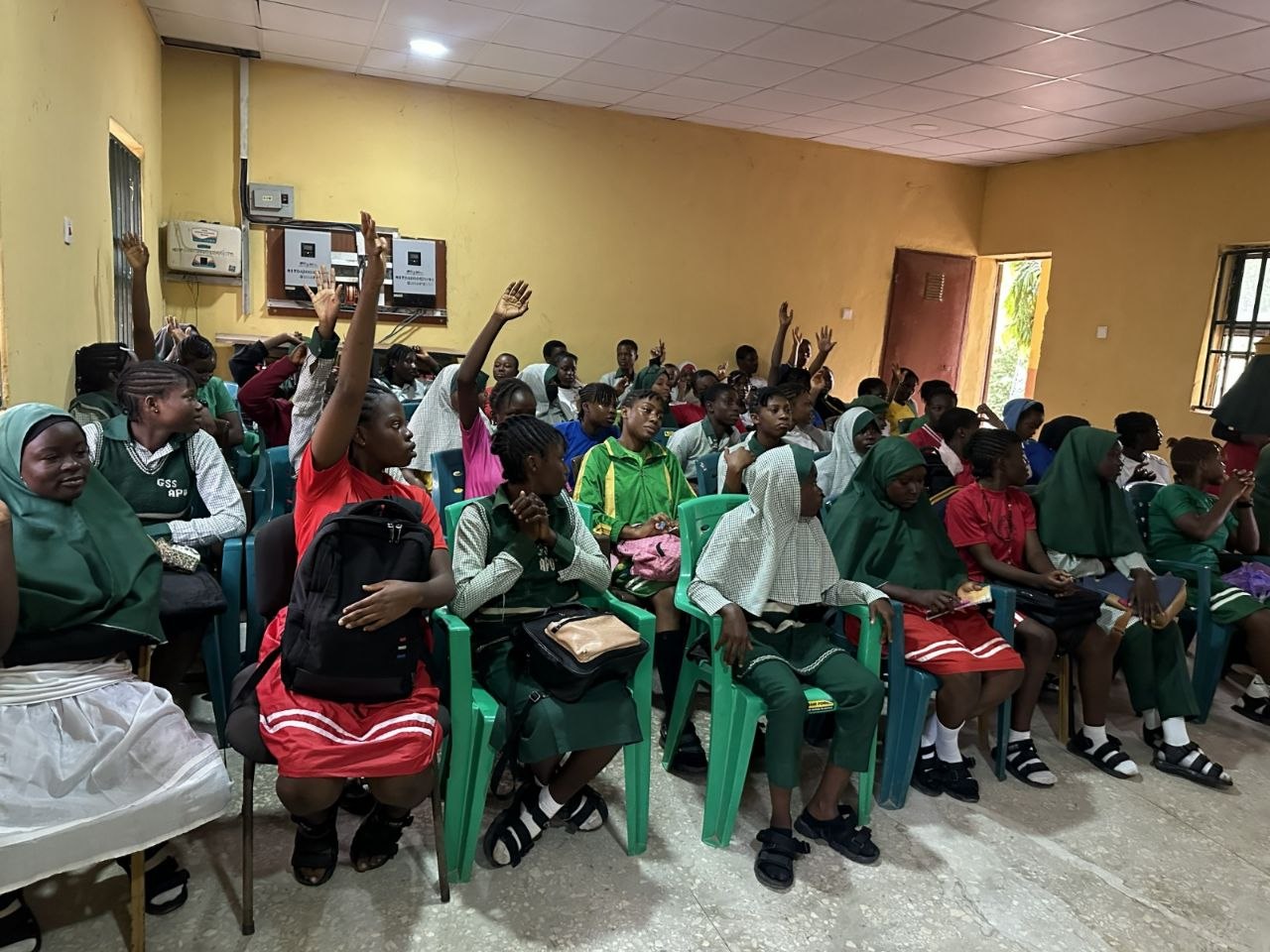
Central to the training was the message that equal access to education is essential for empowering girls to make informed life decisions. When early marriage forces girls out of school, the resulting disadvantage extends beyond the classroom, weakening their future financial independence and community participation. By engaging students directly within a school environment, the organizers emphasized that youth inclusion is vital in conversations surrounding child protection.
In addition to addressing child marriage, the session covered safety in the digital space. As social media platforms become primary channels for learning, communication, and self-expression, young people face increasing risks associated with online interactions and digital abuse.
Facilitators guided the students on maintaining personal privacy, exercising caution when interacting with strangers online, and avoiding the distribution of sensitive content. The session underscored that digital tools can serve as valuable educational resources when used responsibly and with proper awareness of online safety boundaries.
To complement the instructional sessions, the organizers provided practical learning materials to support the students' ongoing schooling. More than 50 writing materials were distributed during the event, each embedded with guidance on how to contact relevant authorities to report child rights violations and abusive behavior.
The initiative reflects the broader mission of Naija Feminists Media, an organization operating at the intersection of journalism, advocacy, and gender justice. NFM produces investigative content, campaigns, and digital reporting designed to challenge harmful stereotypes and elevate the experiences of African women and girls.
The collaboration with the Global Activists Network, which supports grassroots initiatives advancing social justice and human rights, enabled the advocacy effort to reach students directly inside the classroom. The joint effort highlighted the role media and advocacy organizations play in bringing human rights conversations into local communities.
The outreach aligned with the global observation of the 2026 International Day of the Girl Child on October 11, held under the national theme, “End child marriage and invest in girls’ rights.” The observance calls for renewed commitment to safeguarding children's futures through policy, community engagement, and educational access.
Organizers noted that while school-based workshops build essential awareness, long-term progress against early marriage requires structural support from families, educators, community leaders, and law enforcement. Ensuring that vulnerable girls have immediate access to trusted protection systems remains critical to ending the practice.
By equipping the 52 participants with knowledge about their legal rights and digital security, the project aimed to create a lasting impact within Apo Secondary School, reinforcing the principle that every child deserves the opportunity to complete their education free from harm.