Story
Loading the latest story
Please wait while the article is prepared.
Loading article content…
Loading article content…
Story
Please wait while the article is prepared.
Loading article content…
Loading article content…

Business
Business leaders and technology experts gathered at the University of Lagos to mentor student entrepreneurs on the necessity of building sustainable, structured enterprises. The event featured seed funding awards and strategic advice on transitioning from campus-based ventures to competitive marketplace businesses.
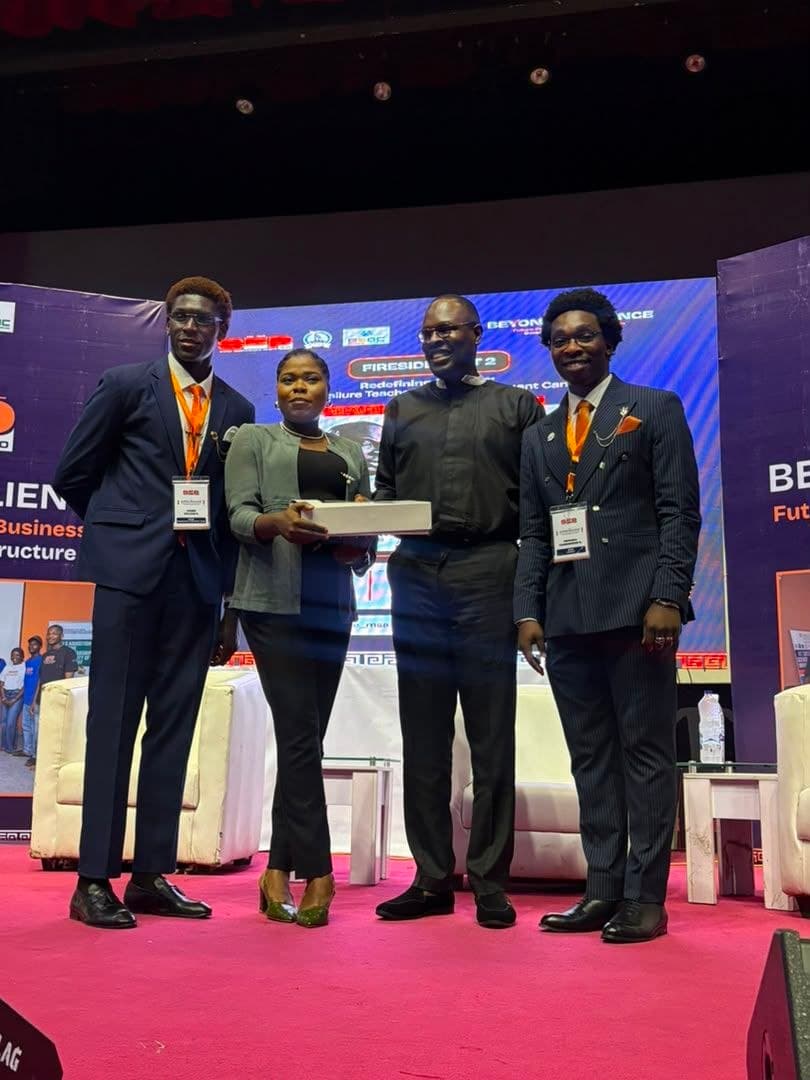
The Group Managing Director of Sahara Power Group, Dr. Kola Adesina, and the Founder of Joy Inc., Chude Jideonwo, have called on student entrepreneurs to look beyond immediate gains and build enterprises capable of outlasting their founders. Speaking at the grand finale of the sixth Student Entrepreneurship Programme (SEP 6.0) at the University of Lagos (UNILAG), the leaders emphasized that long-term success is rooted in strategy rather than just resilience.
Delivering the keynote address on behalf of Adesina, Dr. Adebayo Olumuyiwa Adebayo noted that while the "hustle culture" is prevalent among young Nigerians, it is insufficient for scaling a business. He argued that for any venture to survive the departure of its founder, it must be anchored on robust structures and documented processes.
Vision gives direction, structure carries the load, while systems keep the business moving when you are no longer pushing it by hand.
— Dr. Adebayo Olumuyiwa Adebayo, Representative of the GMD, Sahara Power Group
Adebayo further advised the students to maintain a clear distinction between personal and business finances while keeping accurate financial records. He stressed that understanding customer needs and embracing ethical leadership are non-negotiable traits for any entrepreneur aiming for global competitiveness.
Chude Jideonwo, host of WithChude, shared personal insights from his entrepreneurial journey, encouraging students to reframe their perspective on failure. He described failure not as an end point, but as a necessary catalyst for innovation and growth. Jideonwo recounted his own professional crisis in 2016, which despite his previous successes, led to a period of depression that eventually birthed Joy Inc. and his current media projects.
Failure teaches you that you can fail, that you are human, but more importantly, it teaches you what to do next.
— Chude Jideonwo, Founder, Joy Inc.
Jideonwo echoed the call for structural integrity, noting that passion alone is an unsustainable fuel for a business. He cautioned students against the pressure of trying to build massive corporations overnight, suggesting instead that business structures should evolve organically as the enterprise grows. He urged the young founders to prioritize paying salaries and establishing management systems as their first steps toward professionalization.
Addressing the role of digital tools in modern commerce, Samuel Seidu, Founder and CEO of Bazna Live, warned that technology is not a substitute for a viable business model. He remarked that many entrepreneurs mistakenly believe that software or apps can fix fundamental flaws in their business logic. According to Seidu, technology only serves to accelerate and scale what is already functioning properly.
Technology does not make a successful business. It only accelerates what already exists. If your business lacks structure, technology will only make that weakness more obvious.
— Samuel Seidu, Founder and CEO, Bazna Live
In addition to market validation, Cybersecurity Manager Adeife Adewale highlighted the importance of digital security for startups. He warned that poor data protection and password habits could ruin a business before it gains traction. Adewale also noted that as artificial intelligence becomes more integrated into business operations, founders must remain vigilant about data governance and the ethical collection of information.
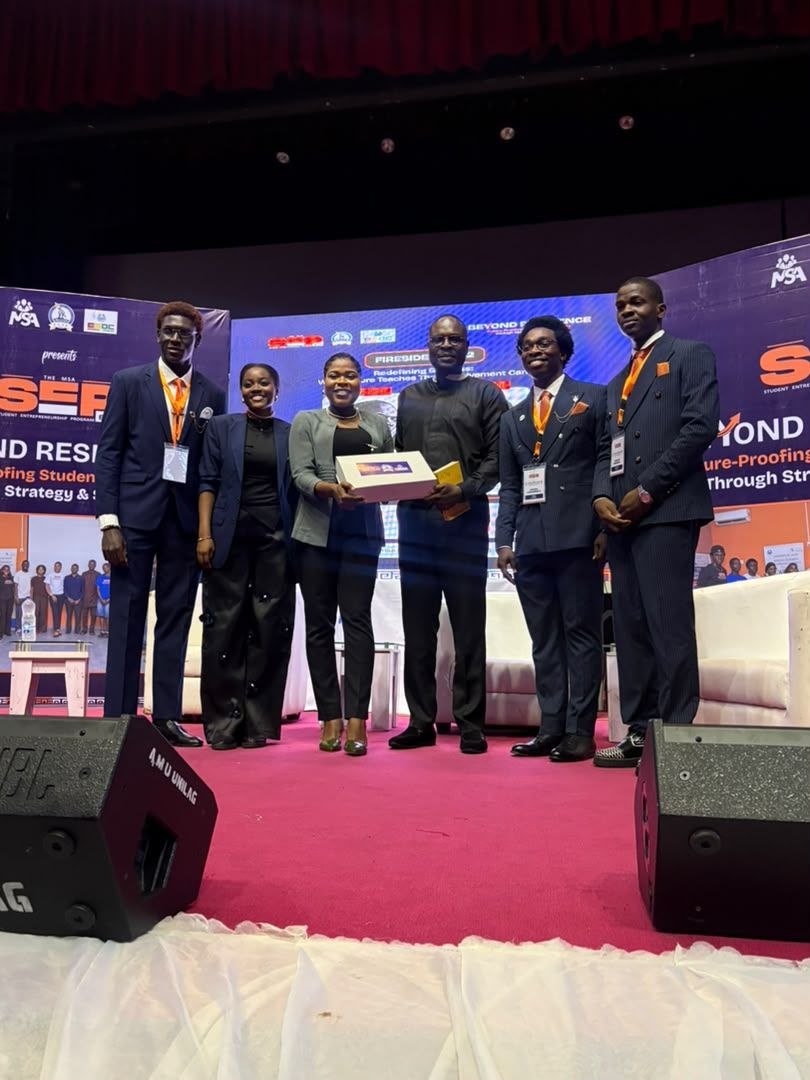
The SEP 6.0 event, themed “Beyond Resilience: Future-Proofing Student Businesses Through Strategy and Structure,” also served as a platform for financial empowerment. Winners of the Kola Adesina Business Challenge were awarded ₦1 million each in seed funding. The grants were presented by Mr. Kingsley Okotie, who reaffirmed Sahara Power’s commitment to youth-led innovation and the development of creative solutions to societal problems.
Henry Onwuka, Chairman of SEP 6.0, explained that the week-long initiative was designed to bridge the gap between campus entrepreneurship and the real-world marketplace. The program provided participants with free Corporate Affairs Commission (CAC) registrations, mentorship sessions, and access to funding through the Lagos State Employment Trust Fund (LSETF).
We want students to leave the university with businesses that can compete in the real marketplace, not businesses that exist only on campus.
— Henry Onwuka, Chairman, SEP 6.0
Co-Head of the program, Fafoluyi Precious Oluwasemilore, concluded the session by urging students to start with whatever resources they currently possess. The Student Entrepreneurship Programme remains the flagship initiative of the UNILAG Management Science Association, focused on providing practical learning experiences for the university's aspiring business leaders.